
This post, and posts like it, is an attempt to make real-life geological phenomena more accessible to a rising generation of tech-savvy, gaming youth. Studies have shown that there is room in education for the use of virtually created worlds from video games to teach real-world geology and other scientific processes. One particular study of interest can be found here. I do own the rights to most of the images in this post, but the story and geology explained in this post comes from real-world phenomena and is not directly linked to actual Legend of Zelda lore. The characters, locations, and scenes come from the popular video game The Legend of Zelda: Breath of the Wild and I do not take credit for them. I hope you enjoy my creative scientific interpretations!
IMPORTANT: Throughout this post, words that are in italics are references to the Zelda Video Game. Words that are bolded are key science concepts to keep in mind.
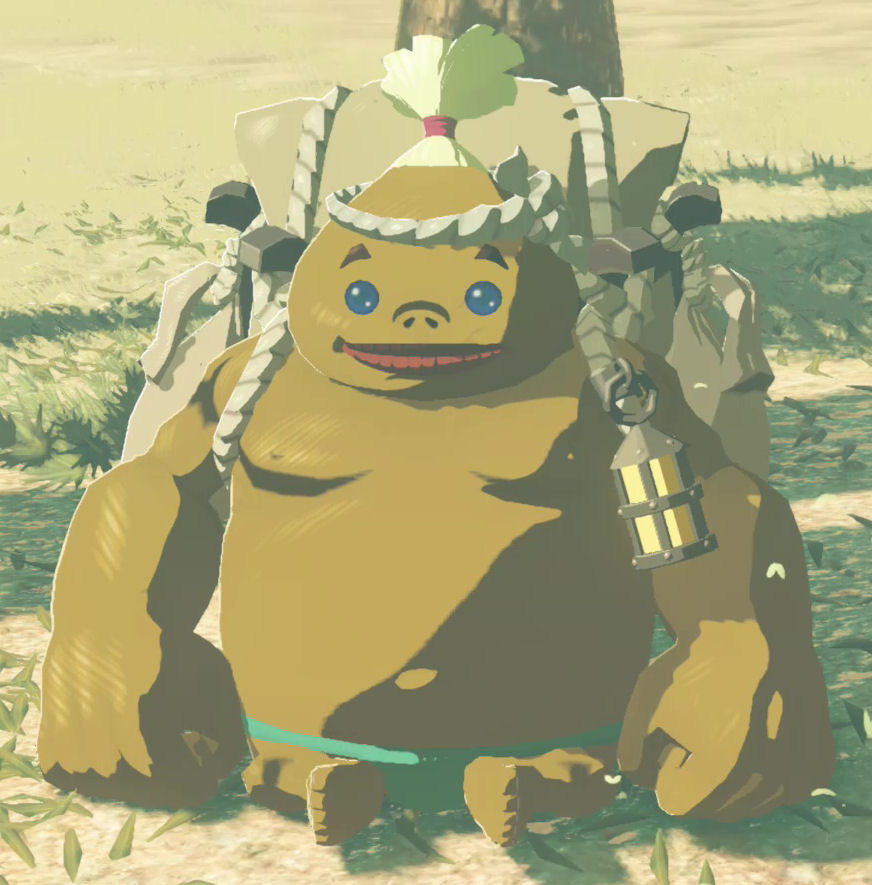
From the desert sandstone of the Gerudo Highlands to the volcanic rock of Death Mountain, Hyrule has some breathtaking geologic features. I’m Strade, your friendly travelling Goron Geologist and I will be your guide through this beautiful portion of Hyrule. Today, we are going to be exploring the landslides of Hyrule in all their destructive glory. A common myth around Hyrule is that ‘if a Goron eats a rock on a mountain, they can predict when a landslide will occur.’ Yes, I can predict when slides will occur, but not because I eat the rocks! It all comes down to slope composition and slope angle. There are lots of examples of landslides throughout Hyrule, so let’s dive right it!
Finding Landslides
Let’s start with a basic definition of a landslide. It’s all about gravity, the natural force that pulls all matter on the planet. If the driving force of gravity (the natural downward force that wants to pulls the sediment down the slope) is stronger than the resisting force which is pulling the sediment into the slope, than a slide will occur. This resisting force is strong, but it can be altered significantly if the sediment is weakened.
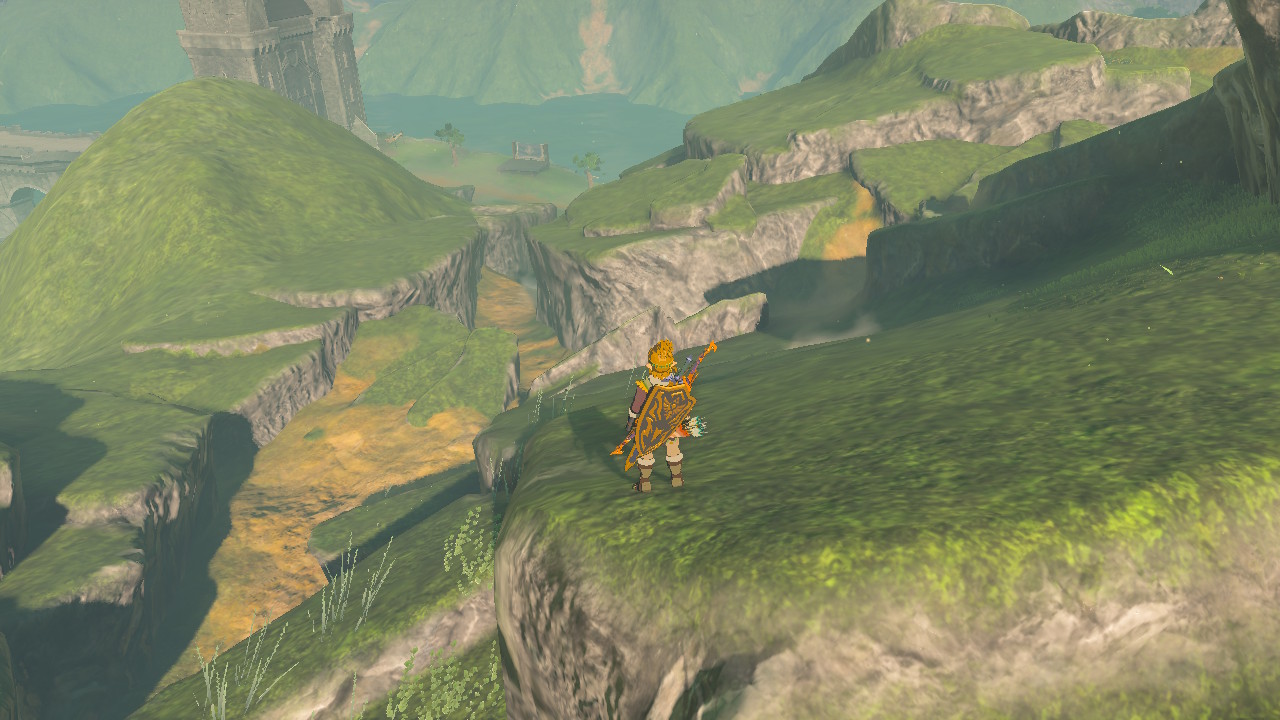
So what do landslides look like? Slides are often characterized by loose trails of rock and other sediment known as ‘debris.’ If you are looking at slope that has experienced a landslide, you may also be able to see the steep slope at the upper edge of the slide which is now exposed due to the sliding of sediment. This upper edge of the slide is called the “scarp.” The ground may also appear lumpy, unnatural, or recently displaced. This appearance is often referred to as ‘hummocky‘. Finally, if the area surrounding the slope receives a lot of moisture or is prone to earthquakes, this could also indicate landslides would likely occur in the area. Observe the image below of the Lake Hylia landslide. What are some things you can see that tell you this is an example of a landslide?
Mass Wasting Throughout Hyrule
Watch the video below of Link paragliding around two common landslides in Hyrule: The Lake Hylia slide and the Hyrule Castle slide. The video will also teach you about how these landslides likely occurred. After you watch the short video a couple of times, try to answer these questions in the text box below:
- If you were to highlight two main causes of the Lake Hylia landslide, what causes would you choose?
- If you were to teach someone how the Hyrule Castle landslide formed, what would you tell them in a simple 1 sentence reply?


Landslide Overview
- Landslide Triggers: Landslides often have triggers–events that cause the slope integrity to fail and gravity takes over, driving the sediment masses downward. Common triggers include intense rainfall, river erosion, earthquakes, rapid snowmelt, volcanic eruptions, coastal storms, and even human activities.
- Landslide Types: They type of slide we get is dependent upon the material of the slope. If the slope is made of boulders or bedrock, we will get a rock fall, rock avalanche, or rock slide if any of the triggers above occur. If the slope is made of coarse sediment, we could get a debris flow or a debris slide. If the slope is made of fine sediment, we could get an earth flow or an earth slide. If the slide is incredibly slow moving, due to consistent freeze/thaw cycles that slowly move the sediment downward, we call that a creep.
- Landslide Effects: Landslide type and trigger aside, the end result of a slide is always potentially dangerous. Landslides could destroy manmade structures, alter streamflow or even dam rivers, trigger other disasters, and kill living things.
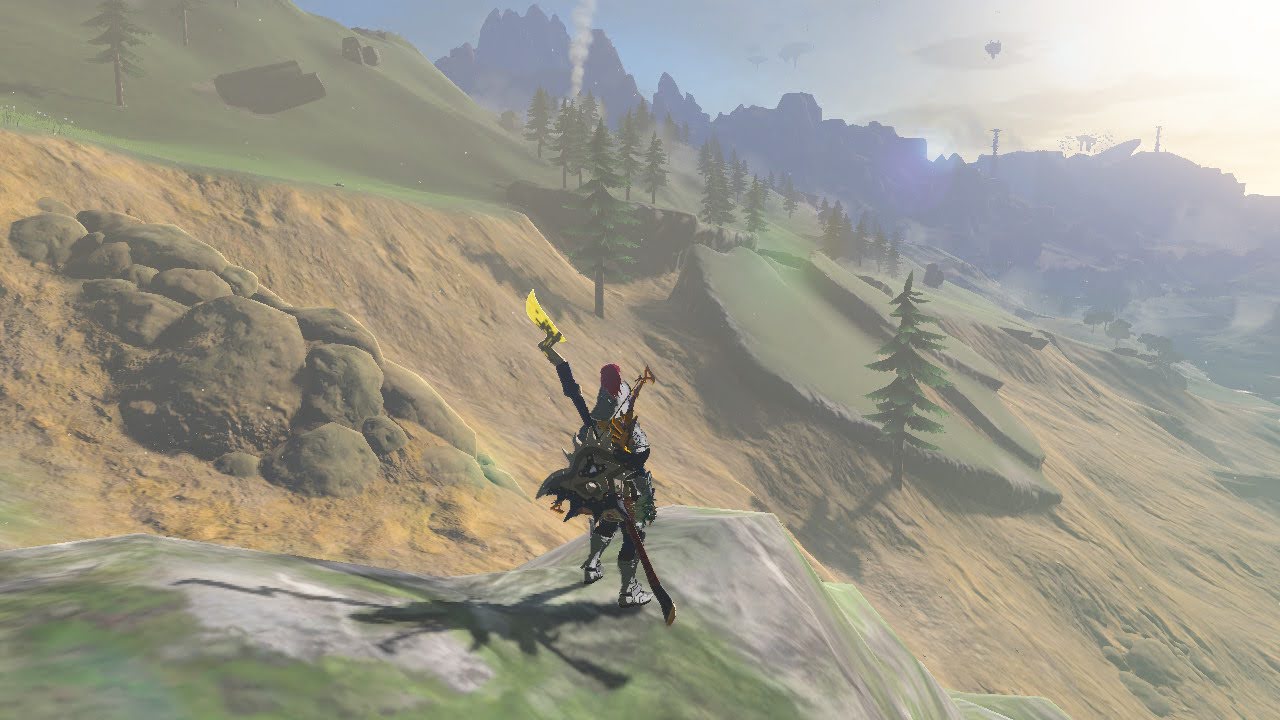
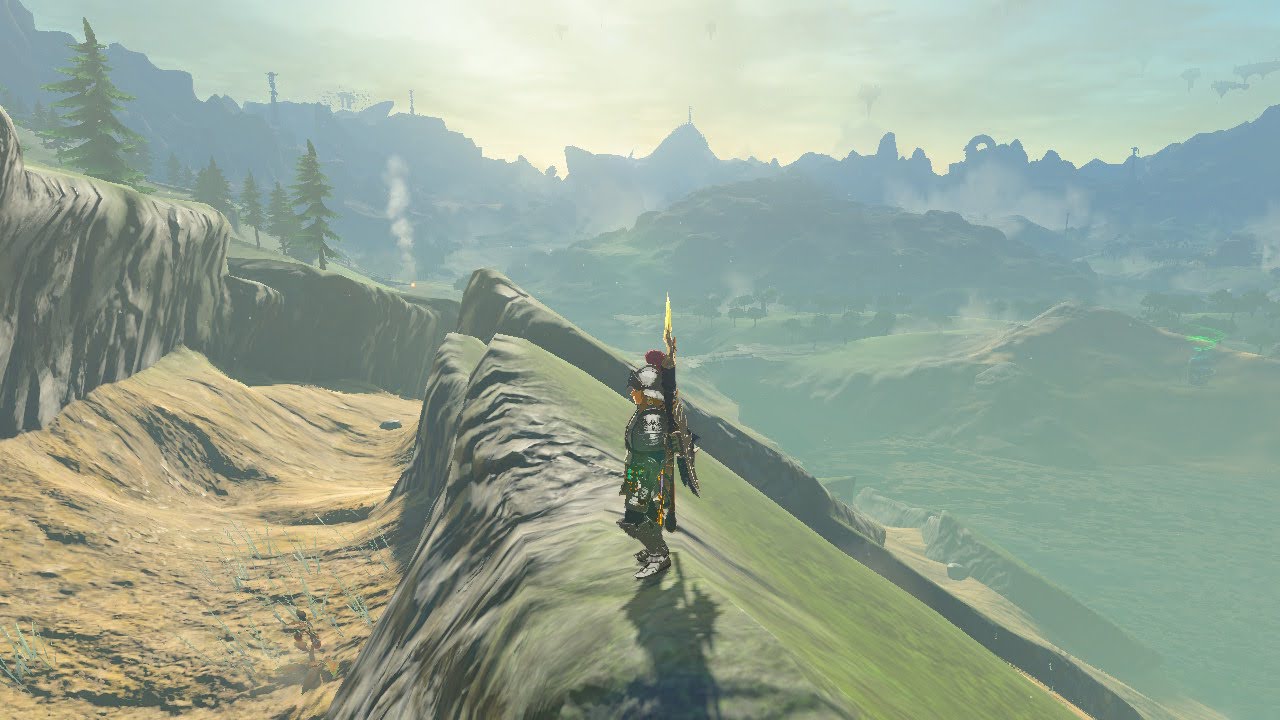
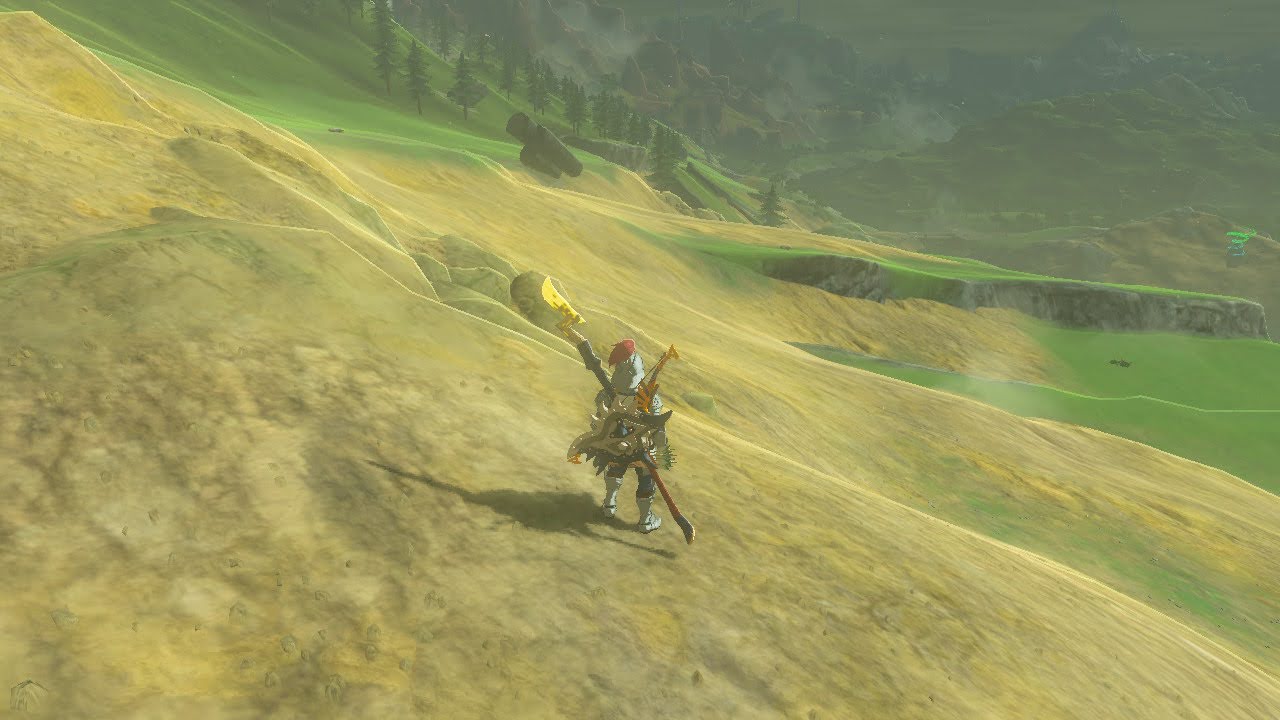
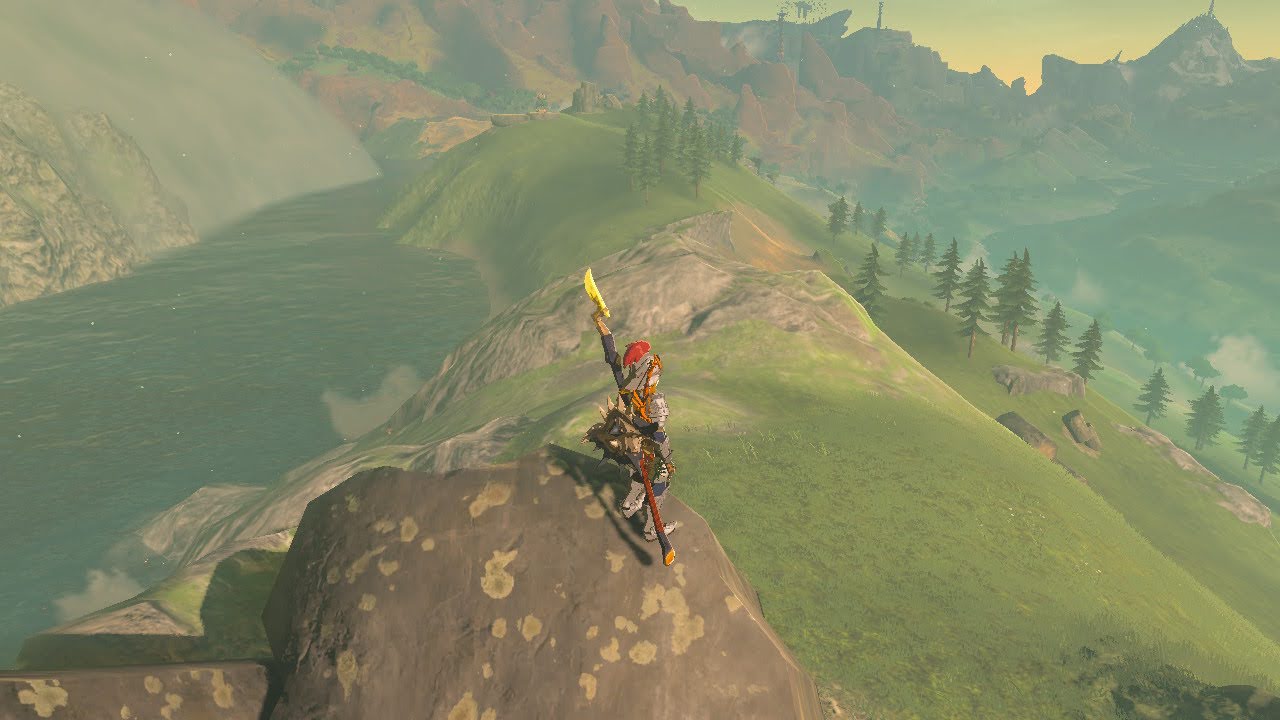


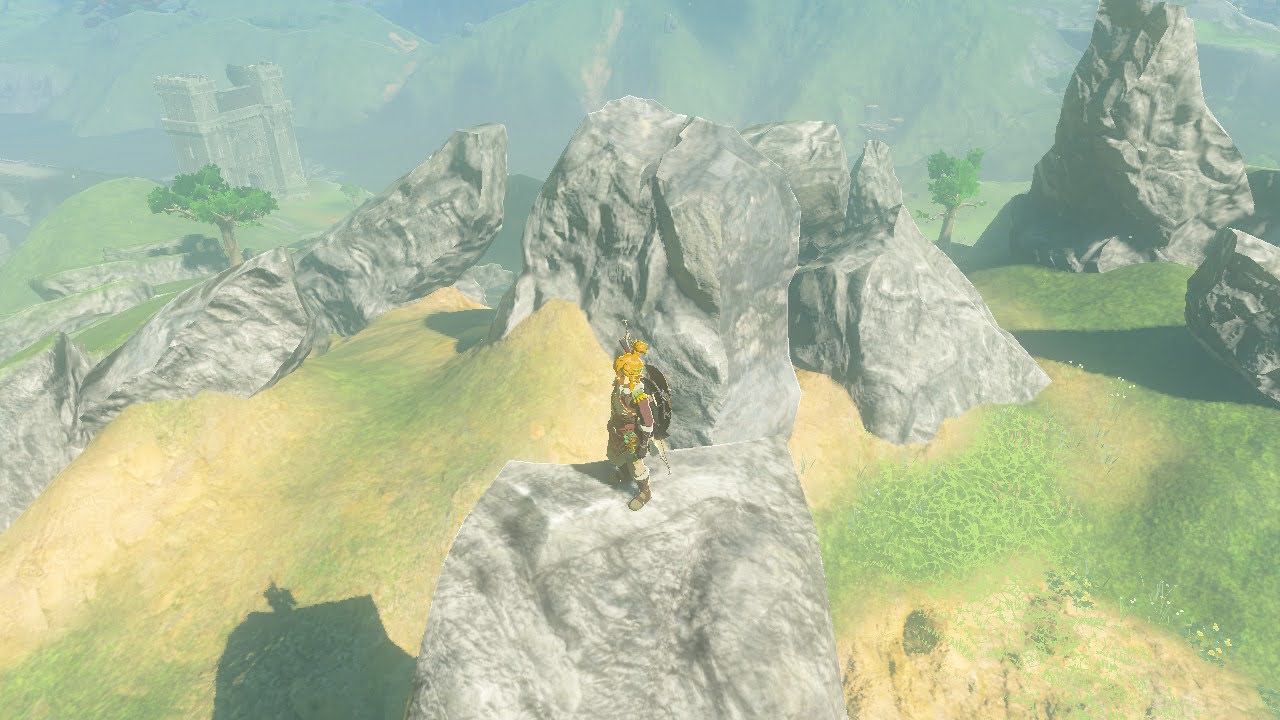
- Choose an image from the collage above. What do you think is the landslide trigger, type and effect you observed in the image selected?
Hylian Impact
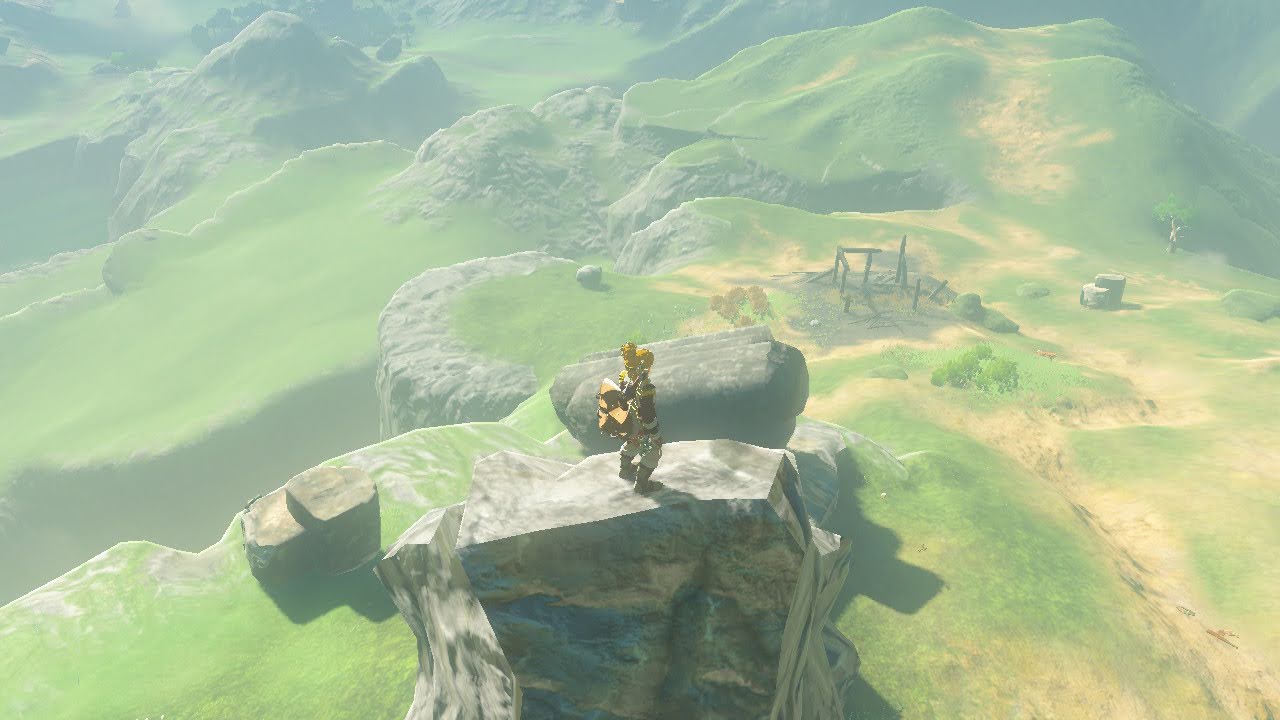
As mentioned above, landslides can be devastating to Hylian (or human) life. Ironically, Hylians are frequently the cause of landslides. Raising crops and livestock and the building of roads and structures often changes the angle of slopes or otherwise weakens the underlying sediment. This makes it easier for the driving force of gravity to create a landslide. Hylians can implement strategies to save their structures like the billion dollar Hyrule Castle before it’s too late. For example, to save the Hyrule Castle from landslide damage, Hylians could hire some strong Gorons (like myself) to remove weight from the head of the slide (near the scarp) and add weight to the toe of the slide (the very bottom of the slide). Or, a simpler approach would be to divert the flow of the landslide by applying stretchable fencing to the northern slope effected by the slide.
A Fragile and a Temporary Home
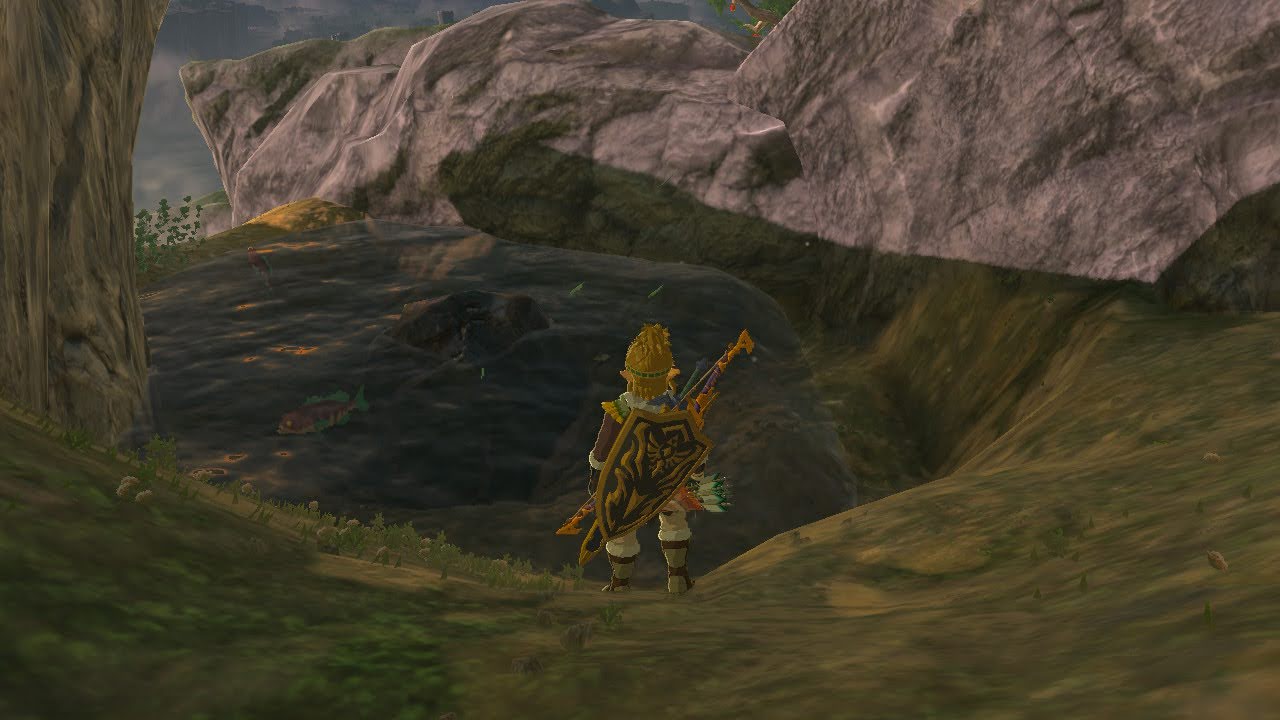
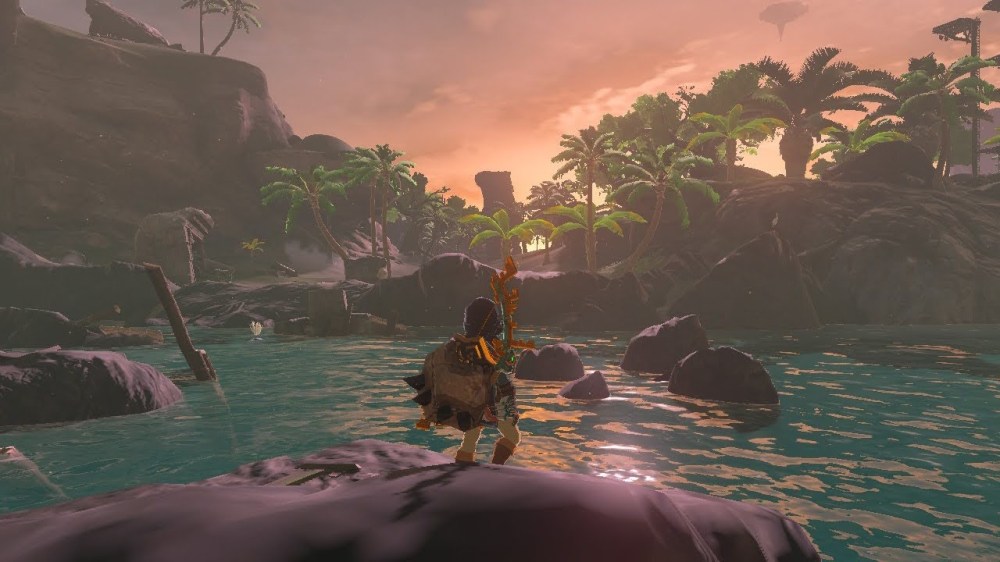
In rare instances, landslides can even create temporary habitats for living things like this small pond created by the Lake Hylia slide. Sadly, living things that find a home here will likely be ‘packing their bags’ sooner rather than later since areas of landslides are constantly and quickly changing due to the natural forces that created them.
The geology found in Zelda Breath of the Wild and Tears of the Kingdom games is based off of geology found in the real world. It’s important to see that amazing geology found in these games can also be found in our own world, sometimes even in our own backyards! Check out some real world examples of the geology we just talked about in this chapter.
Real World Examples
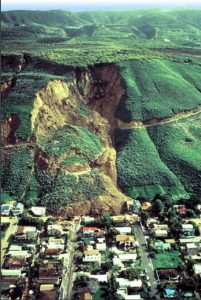
In La Conchita, California, fast moving earth flows and debris flows damaged more than a dozen houses and killed a handful of people. The likely trigger was unusually heavy rainfall during a ten-year period, though early warning signs were given as there were surface cracks observed at the top of the slope about a year before the first slide occurred.
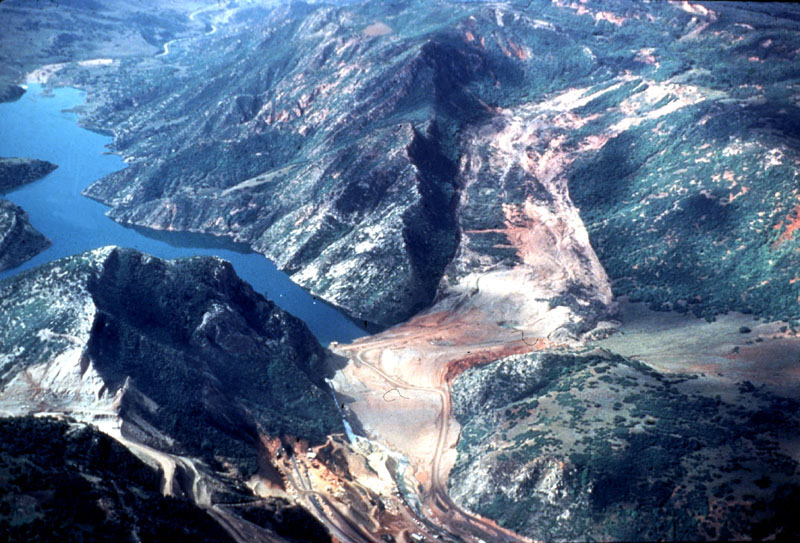
In Thistle, Utah, a slower moving earth flow travelled more than 1,000 ft downhill and created a dam, blocking a natural river which flowed through Spanish Fork Canyon. The river was then became a lake, but not before causing severe flooding and damage to the nearby town of Thistle.
Test Your Geology Skills!
Now it’s time to test your geology skills and what you have learned from our exploring today. Take a look at the short slideshow below and then answer the following prompt:
- Create an argument, supported by evidence from the above information, that supports this location as an active landslide location. What is (are) the likely trigger(s)? What type of slide would this trigger create? What effects would a landslide in this location have? What is one method that could be used to mitigate damage created by a landslide in this area?


Thank you for reading and stay tuned for the next installment of Hyrule Geology Tours. As always, I would love to hear from you! How did you like the read? What did you learn from it that surprised you? What ideas or suggestions do you have for my next post? I would love your feedback! Also, if you happen to have the game The Legend of Zelda: Breath of the Wild or The Legend of Zelda: Tears of the Kingdom at home, I encourage you to go find these geologic features yourself. The names of all geologic features in this post are actual names from the game so go on the virtual tour for yourself and let me know how it goes!
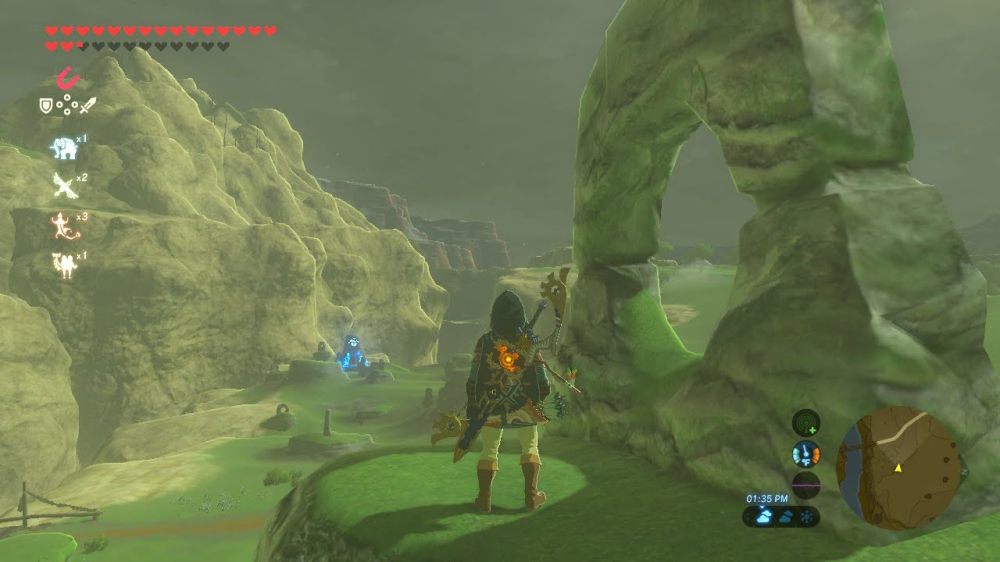


 Life through green tinted glasses