
This post, and posts like it, is an attempt to make real-life geological phenomena more accessible to a rising generation of tech-savvy, gaming youth. Studies have shown that there is room in education for the use of virtually created worlds from video games to teach real-world geology and other scientific processes. One particular study of interest can be found here. I do own the rights to most of the images in this post, but the story and geology explained in this post comes from real-world phenomena and is not directly linked to actual Legend of Zelda lore. The characters, locations, and scenes come from the popular video game The Legend of Zelda: Breath of the Wild and I do not take credit for them. I hope you enjoy my creative scientific interpretations!
IMPORTANT: Throughout this post, words that are in italics are references to the Zelda Video Game. Words that are bolded are key science concepts to keep in mind.
Part 1: Investigate
Today, you are going to explore the vast world of Hyrule for yourselves and locate geological wonders of your choice. But first, we need to investigate the processes responsible for the wide variety of surface features we see in Hyrule, from the towering Death Mountain of the Northeast, to the flat sandy Gerudo Desert planes of the Southwest. It all comes down the the following central processes of Earth Science: movement of tectonic plates due to the convection of matter in the mantle and surface changing processes like weathering and erosion that shape the land. These processes were discussed in previous pages, but see the table below for a brief overview of the key processes that should be considered today.
| Name of Process | Description | Constructive or Destructive? | Long time or short time? | Large area or small area? |
|---|---|---|---|---|
| Tectonic Plate Movement | Tectonic plates are large, rigid segments of Earth’s lithosphere that move on the semi-fluid asthenosphere due to mantle convection. Their interactions, such as subduction, collision, and divergence, shape Earth’s internal structures like mountain ranges, volcanic arcs, and earthquake zones. These processes also create external features such as mid-ocean ridges, ocean trenches, and rift valleys. The movement of tectonic plates occurs over various temporal scales, from sudden earthquakes to millions of years for continental drift. | Both, depends on the movement of the plates | Both, depends on the movement of the plates | Mostly large area |
| Weathering and Erosion | Weathering is the process of breaking down rocks through physical, chemical, and biological means, forming soils and altering rock structures. Erosion involves the transport of these weathered materials by water, wind, ice, and gravity, reshaping the Earth’s surface. These processes create features like valleys, cliffs, dunes, and deltas, and contribute to landscape evolution. Weathering and erosion operate over timescales from seconds to millions of years and affect areas from local to global scales. | Both, though typically weathering is destructive and erosion is constructive | Both, depends on the setting | Can be large area and can be small area |
| Other Surface Processes | Processes like deposition, sedimentation, compaction, melting, crystallization, burial, glaciation, uplift, heat and pressure are all important to consider as well, though all of these processes can be lumped under the categories “Tectonic Plates” and “Weathering and Erosion”. | Can be both | Can be both | Can be both |
Throughout the “Investigation” portion of this activity, you will be observing the images you see and watching the videos displayed to learn about a specific location in Hyrule. Then, you will need to explain:
- What key geological processes occurred to form the structures you observed? (Hint: Weathering, erosion, and tectonic plate movement should be in ALL your answers, but what other processes do you see? And how can you explain specifically what weathering, erosion, and plate movement are doing to form the land?)
- Were these processes constructive (building up) or destructive (breaking down)?
- Did these processes occur over a short period of time or over a long period of time to form the structures you are observing?
- Did these processes occur over a large area or over a small area?
You will answer each of those questions in a text box provided you, or on your own scratch paper. The basic correct answers will be provided at the very bottom of this page for your reference. Good luck and see you in the “Explore” section!
Central Hyrule, Northern Slopes
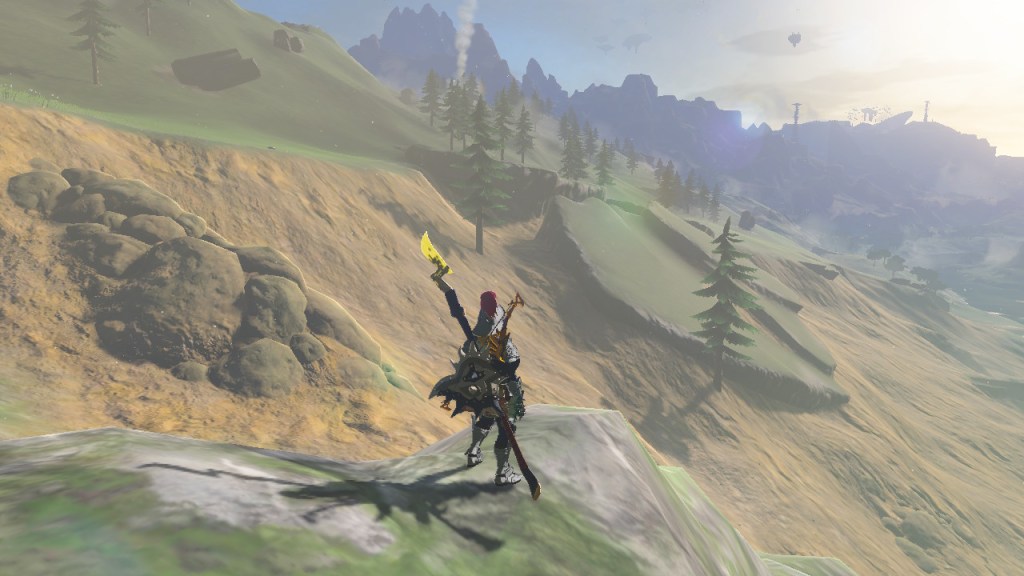
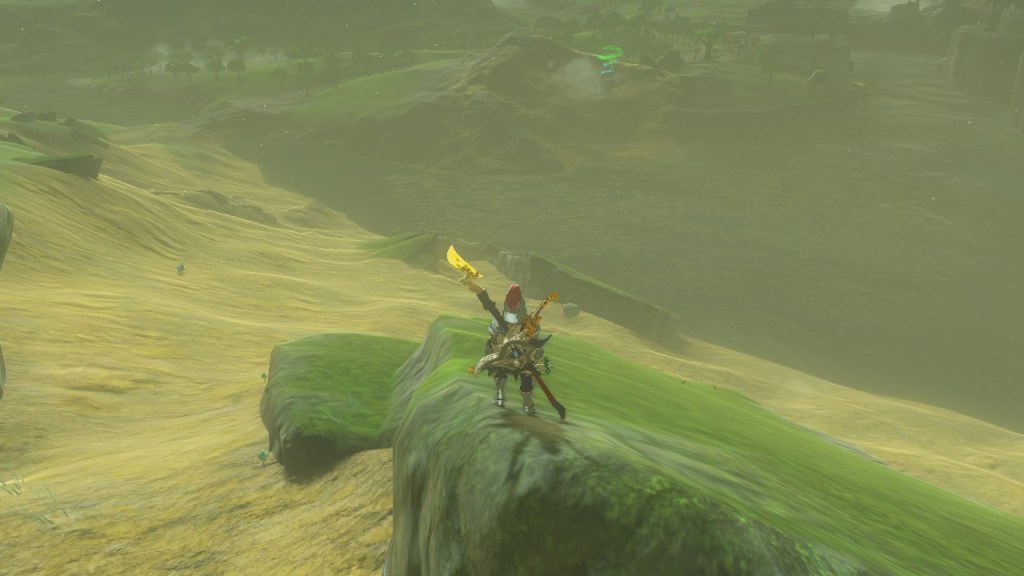
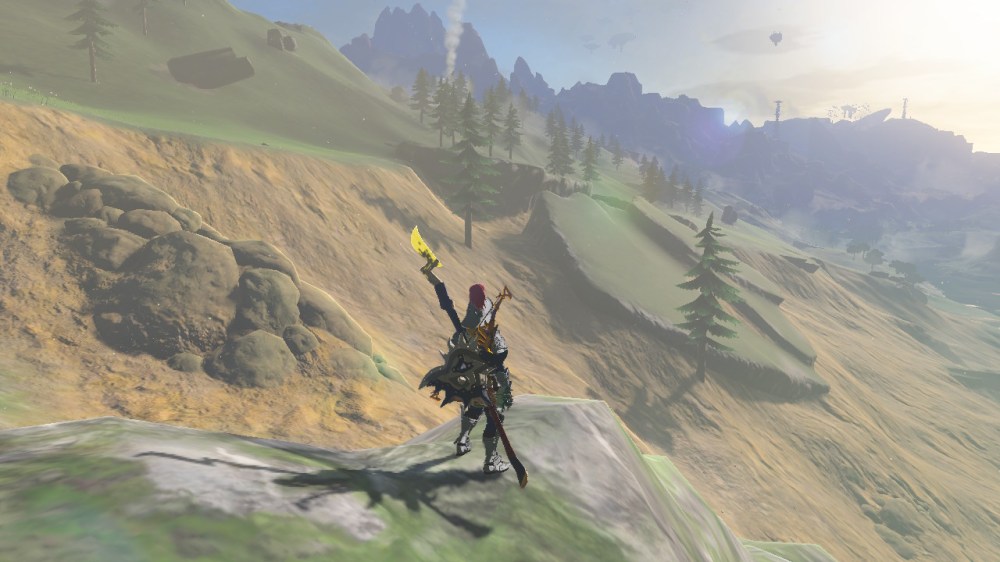
Hyrule Castle Slide, just north of Hyrule Castle.
- What key geological processes occurred to form the structures you observed?
- Were these processes constructive or destructive?
- Did these processes occur over a short period of time or over a long period of time to form the structures you are observing?
- Did these processes occur over a large area or over a small area?


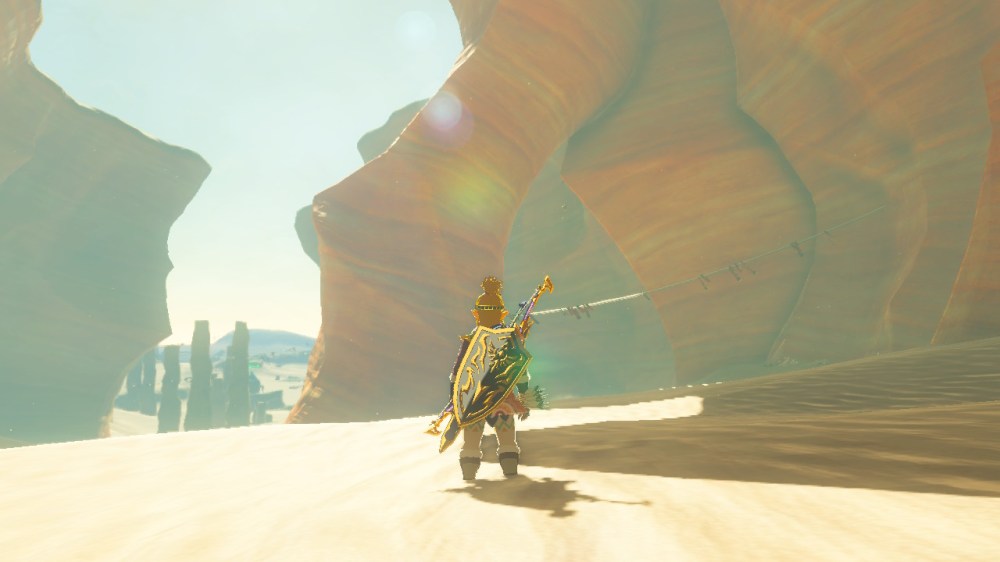
Karusa Valley
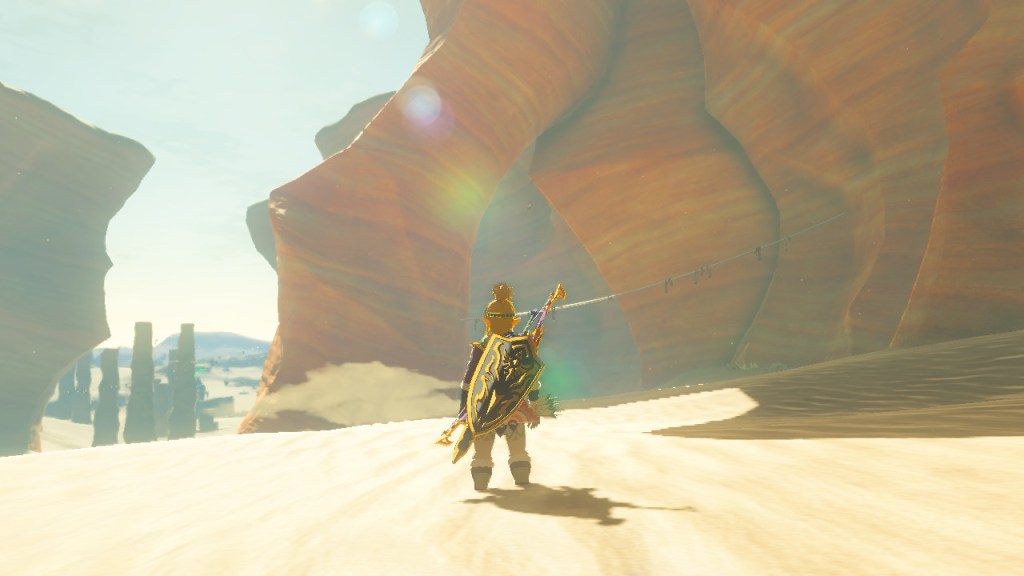
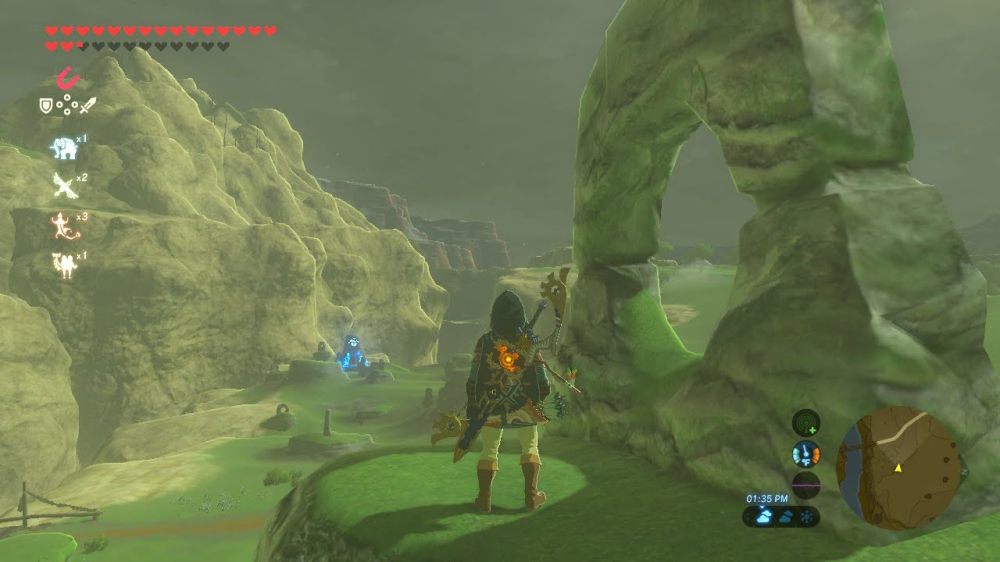
Karusa Valley, just north of Gerudo Desert
- What key geological processes occurred to form the structures you observed?
- Were these processes constructive or destructive?
- Did these processes occur over a short period of time or over a long period of time to form the structures you are observing?
- Did these processes occur over a large area or over a small area?
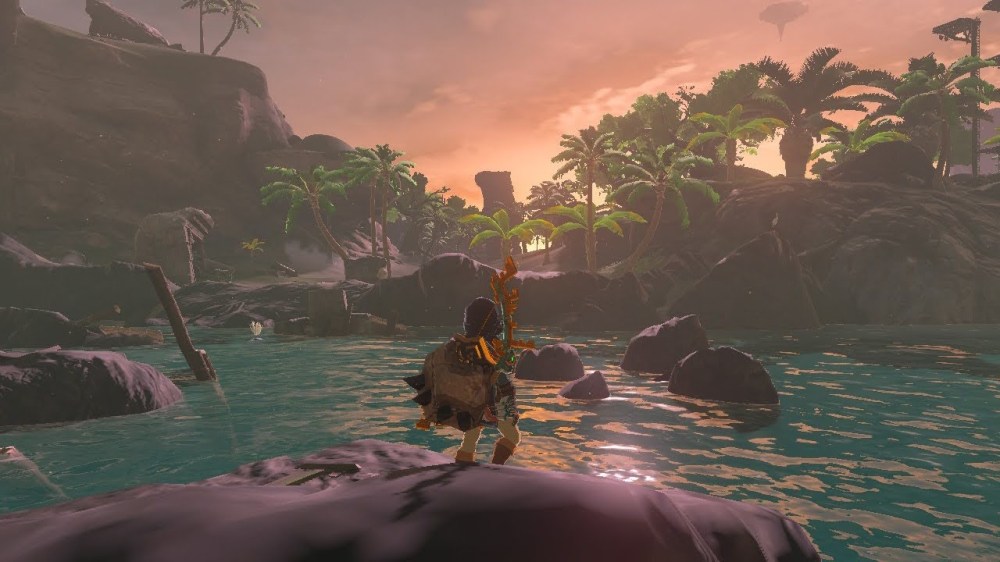
Puffer Beach
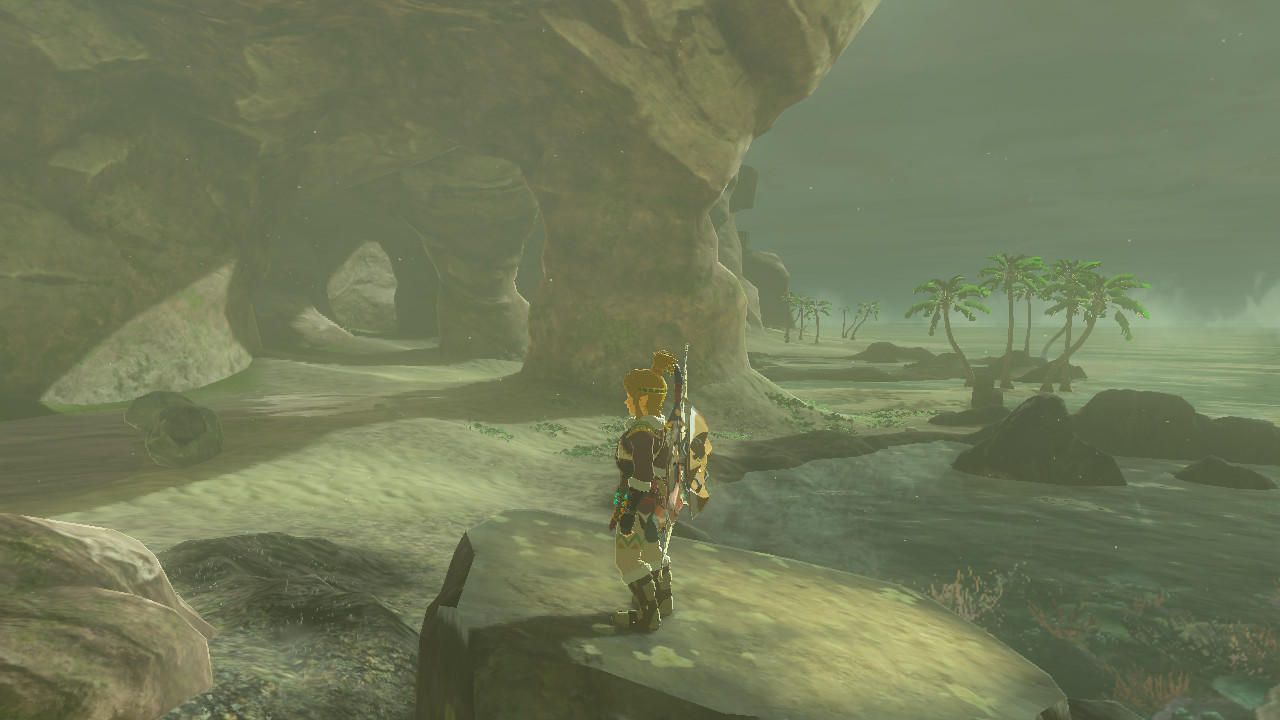
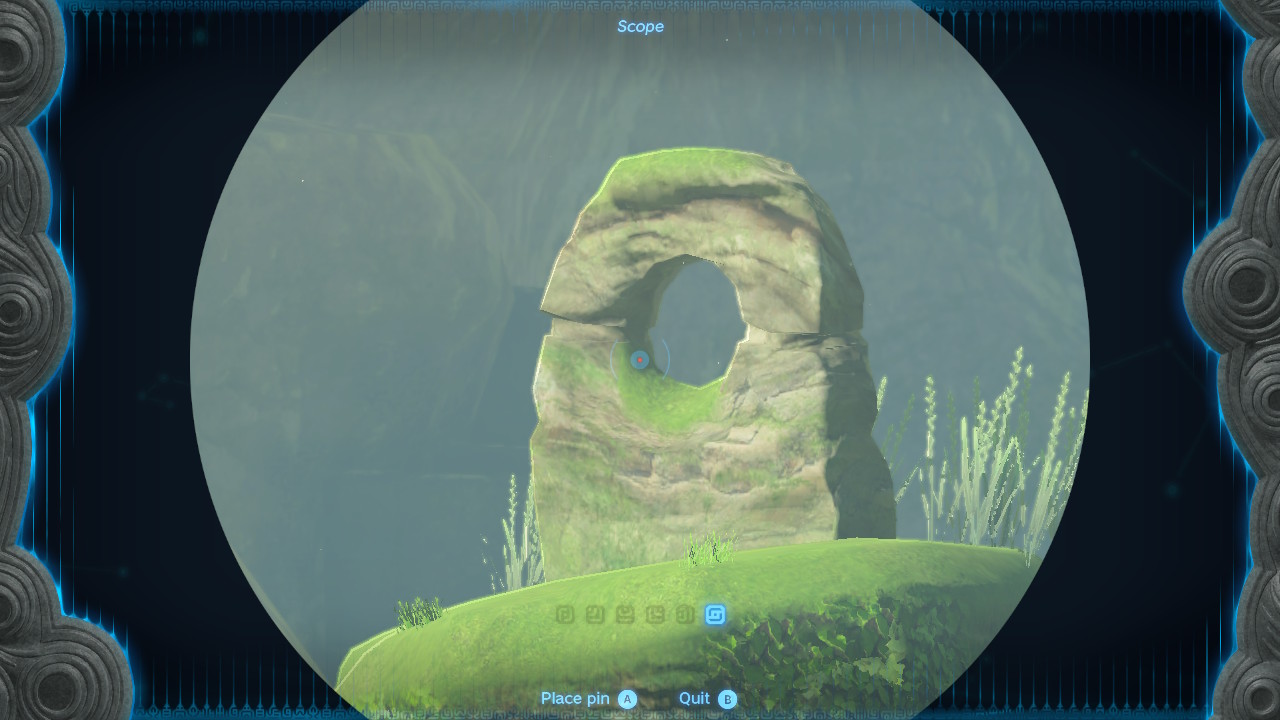
Puffer Beach, adjacent to the Faron Sea. In the image above, use the circle in the middle to compare the two images. The image on the left are arches found on Puffer Beach while the image on the right are stone rings found on the West Hyrule Plains. Which processes do these two features have in common? Which processes are different?
- What key geological processes occurred to form the structures you observed?
- Were these processes constructive or destructive?
- Did these processes occur over a short period of time or over a long period of time to form the structures you are observing?
- Did these processes occur over a large area or over a small area?
Dueling Peaks
Dueling Peaks, the mountains of West Necluda.
- What key geological processes occurred to form the structures you observed?
- Were these processes constructive or destructive?
- Did these processes occur over a short period of time or over a long period of time to form the structures you are observing?
- Did these processes occur over a large area or over a small area?
Part 2: Explore
The best part about studying Earth Science is going out into the world and learning through exploration! Here is your chance to explore the world of “Zelda: Tears of the Kingdom” and locate geological wonders for yourself.
Test Your Geology Skills
Choose 1 of the following activities to complete:
Choice 1: Play the Game
You are going to be a tour guide and explain the geological processes that formed a specific location of your choice in the game. Go into the actual “Tears of the Kingdom” video game and find a location that interests you. Make sure this location has geologic structures that you can observe and analyze. Make observations of the surrounding area as well so you can better see the whole picture of your chosen location’s formation. Then, complete the following tasks:
- Take screenshots of important parts of your chosen location.
- Write down observations of your location and its surrounding area.
- Complete any needed research necessary to be able to explain how your location was formed.
- Write a script explaining in detail how your location formed. Focus on the processes that formed it, whether these processes were constructive or destructive, and how long it took for your location to form.
- Hand the video game to a friend and take them on a tour of your location. Read from your script to help you explain to your friend how your location formed.
Choice 2: Picture Guide
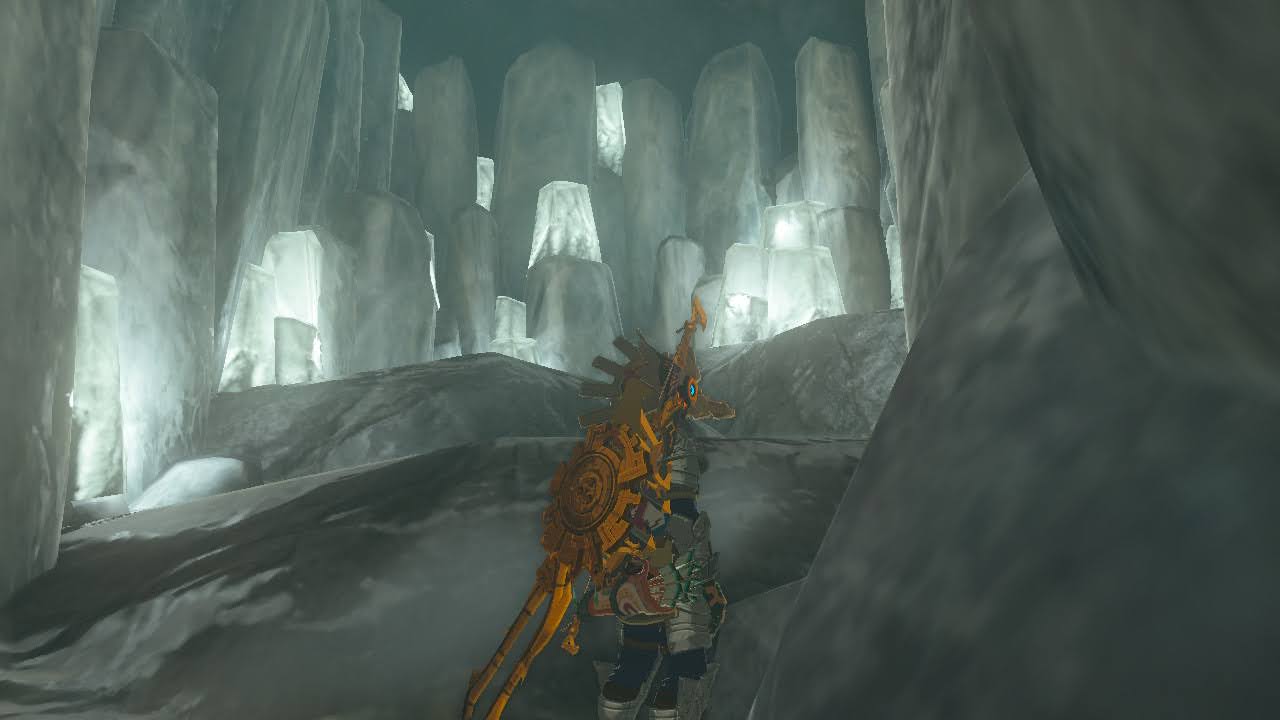
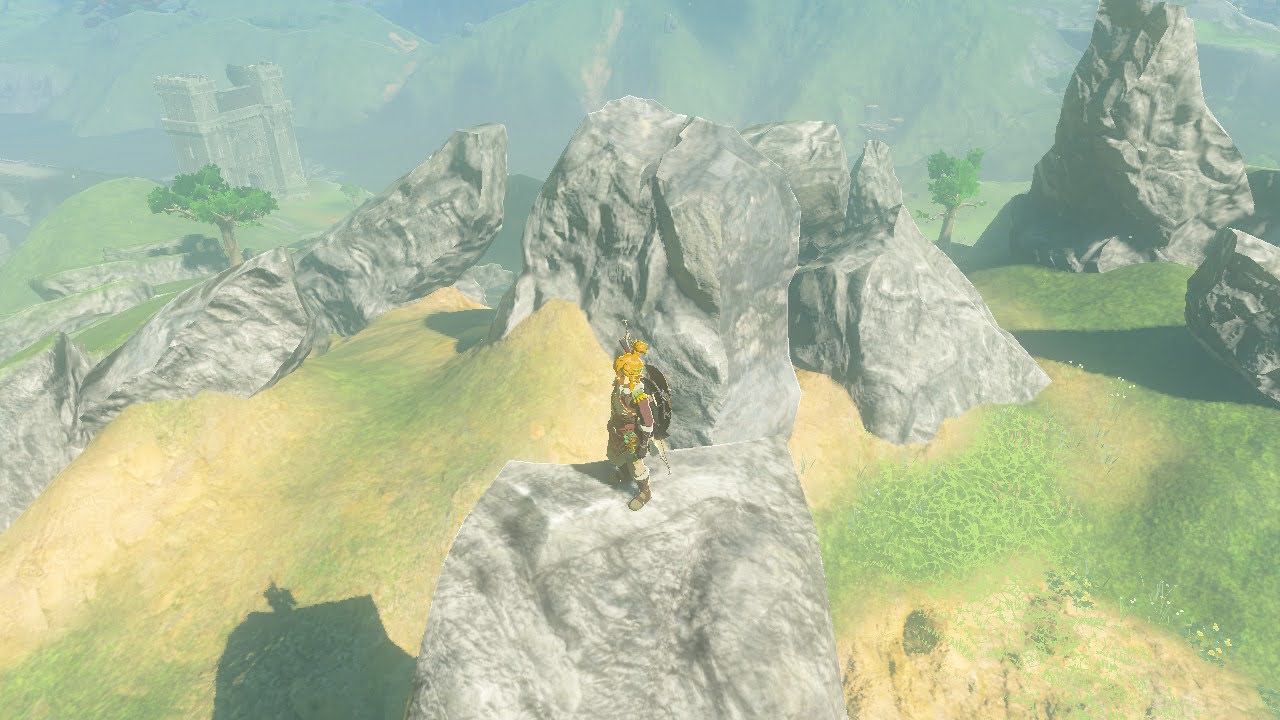
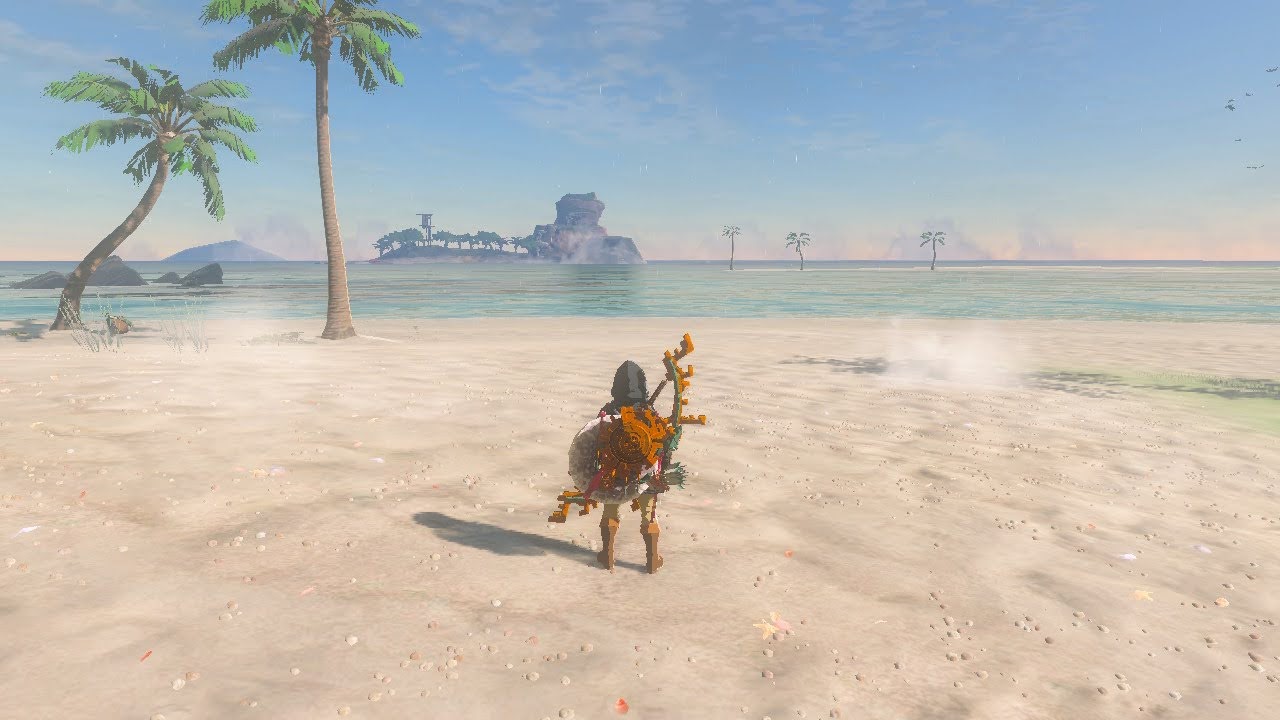
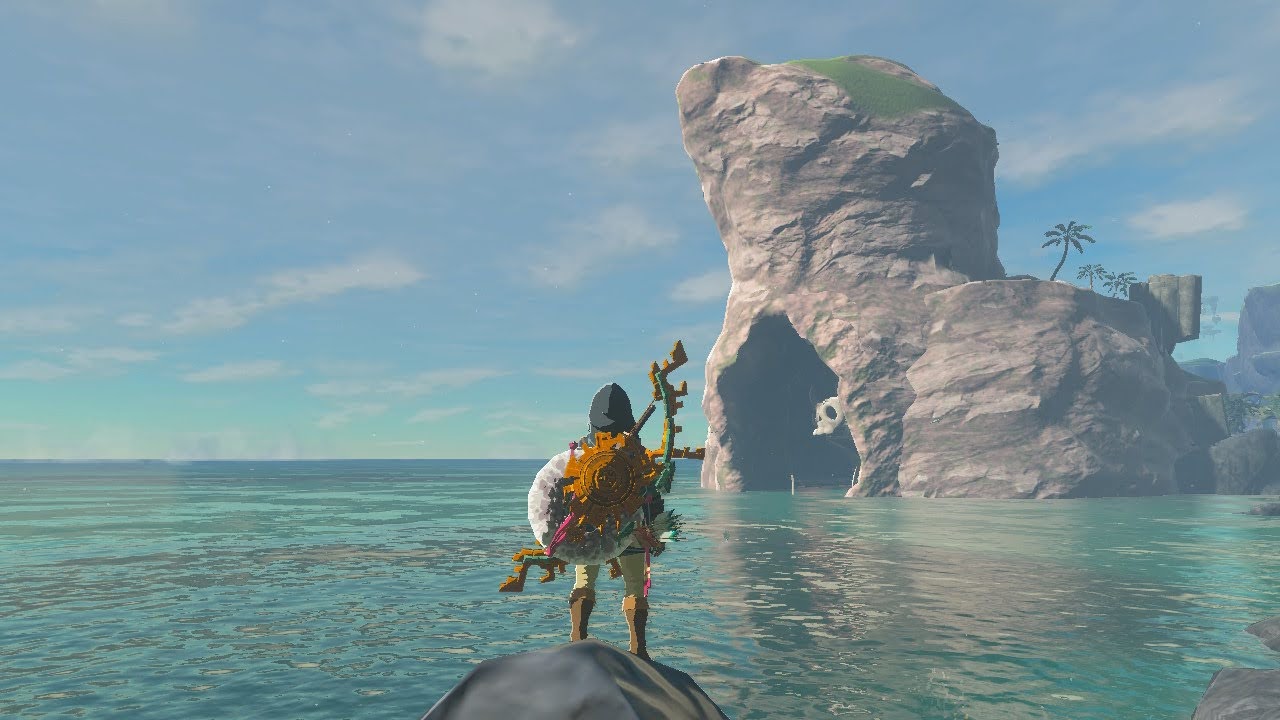
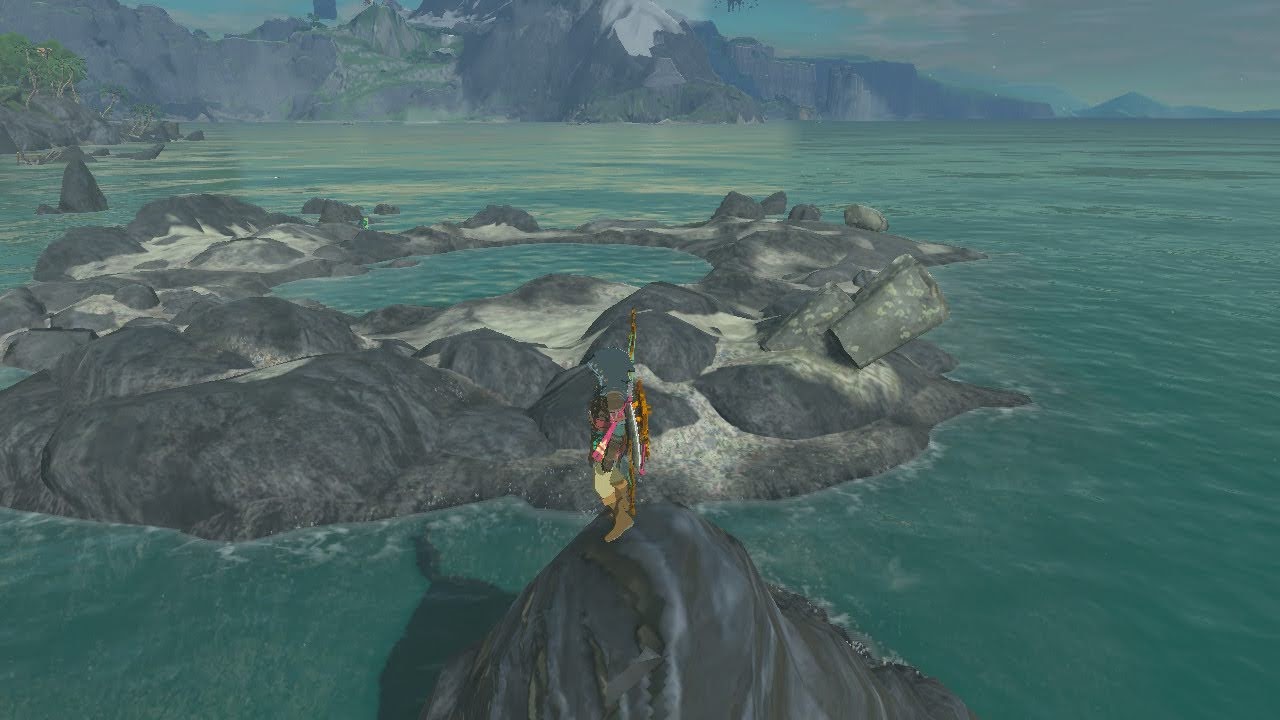
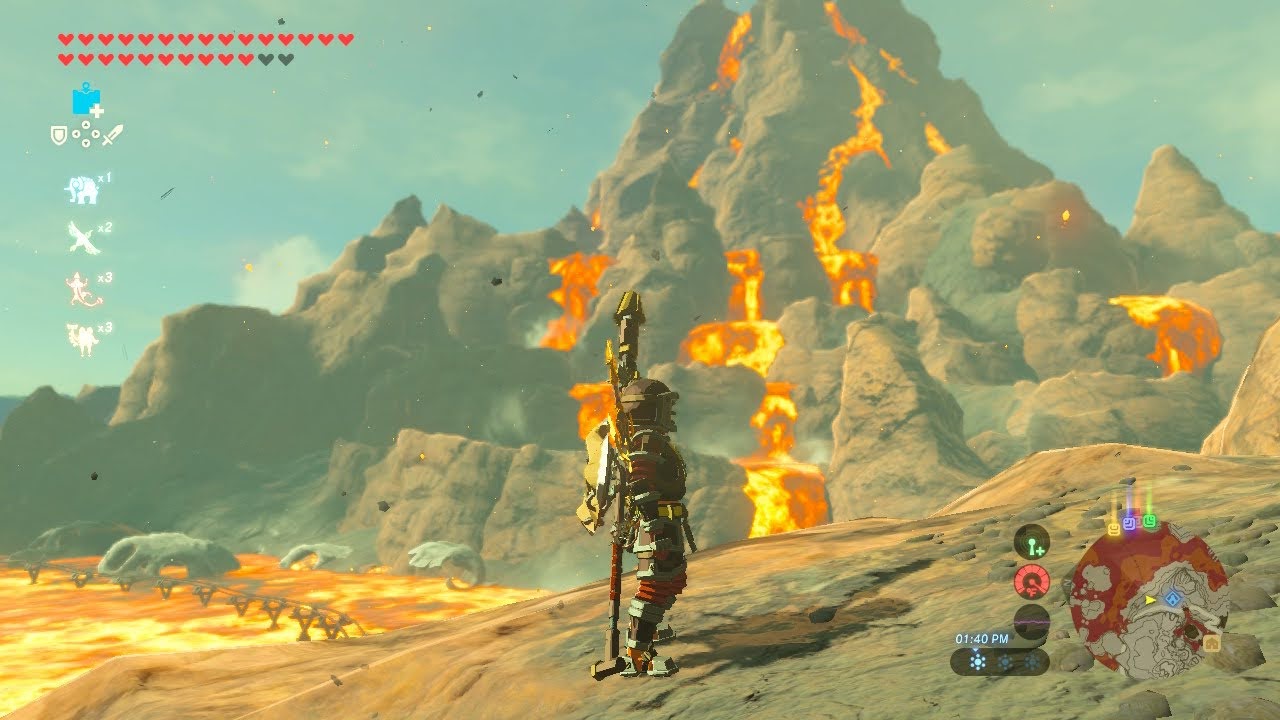
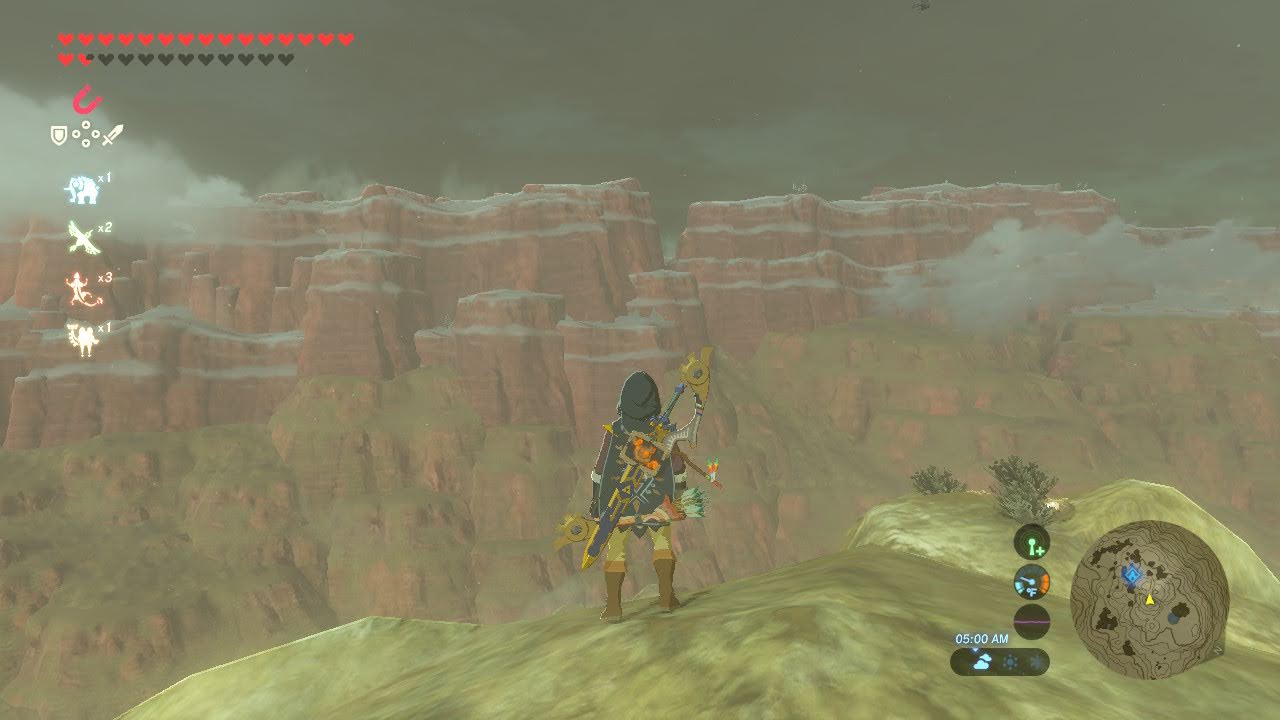
You are going to be a tour guide and explain the geological processes that formed 2 locations from the game. Select 2 images or your choice from the collage below. Make as many observations as you can just by looking at the structure in the image along with the surrounding area in the image. Then, complete the following tasks:
- Write down observations of your locations and their surrounding areas.
- Complete any needed research necessary to be able to explain how your locations were formed.
- Write a script explaining in detail how your locations formed. Focus on the processes that formed them, whether these processes were constructive or destructive, and how long it took for your locations to form.
- Find a friend and give them a tour of your two locations just by looking at the two images you selected. Read from your script to help you explain to your friend how your locations formed.

Answers to Part 1:
| Hyrule Castle Slide | Karusa Valley | Puffer Beach Arches | Dueling Peaks |
|---|---|---|---|
| Colliding plates formed the ridge while weathering followed by heavy erosion caused the landslide. | Sedimentation processes such as sedimentation and compaction to form cliffs, followed by heavy river erosion to form canyon and continued weathering and erosion to shape it. | Receding plates caused beach to form and water erosion from ocean currents carved the arches out of the seaside cliffs. Sedimentation and erosion continue to create the arches. | Colliding plates caused uplift and created the mountain. General weathering and erosion shaped the mountain. Heavy river erosion combined with more plate movement further shaped the mountain. |
| The landslide specifically was formed by destructive processes | Constructive processes formed the cliffs, destructive processes formed the valley | For the most part, this formed by destructive processes | Formed by constructive and destructive processes |
| Landslide formed quickly | Formed over a LONG period of time | This formed over a long period of time | Formed over a LONG period of time |
| This particular slide is a relatively small area | Formed over a large area | This formed over a relatively small area | Formed over a large area |
Thank you for reading and stay tuned for the next installment of Hyrule Geology Tours. As always, I would love to hear from you! How did you like the read? What did you learn from it that surprised you? What ideas or suggestions do you have for my next post? I would love your feedback! Also, if you happen to have the game The Legend of Zelda: Breath of the Wild or The Legend of Zelda: Tears of the Kingdom at home, I encourage you to go find these geologic features yourself. The names of all geologic features in this post are actual names from the game so go on the virtual tour for yourself and let me know how it goes!


 Life through green tinted glasses