
This post, and posts like it, is an attempt to make real-life geological phenomena more accessible to a rising generation of tech-savvy, gaming youth. Studies have shown that there is room in education for the use of virtually created worlds from video games to teach real-world geology and other scientific processes. One particular study of interest can be found here. I do own the rights to most of the images in this post, but the story and geology explained in this post comes from real-world phenomena and is not directly linked to actual Legend of Zelda lore. The characters, locations, and scenes come from the popular video game The Legend of Zelda: Breath of the Wild as well as The Legend of Zelda: Tears of the Kingdom and I do not take credit for them. I hope you enjoy my creative scientific interpretations!
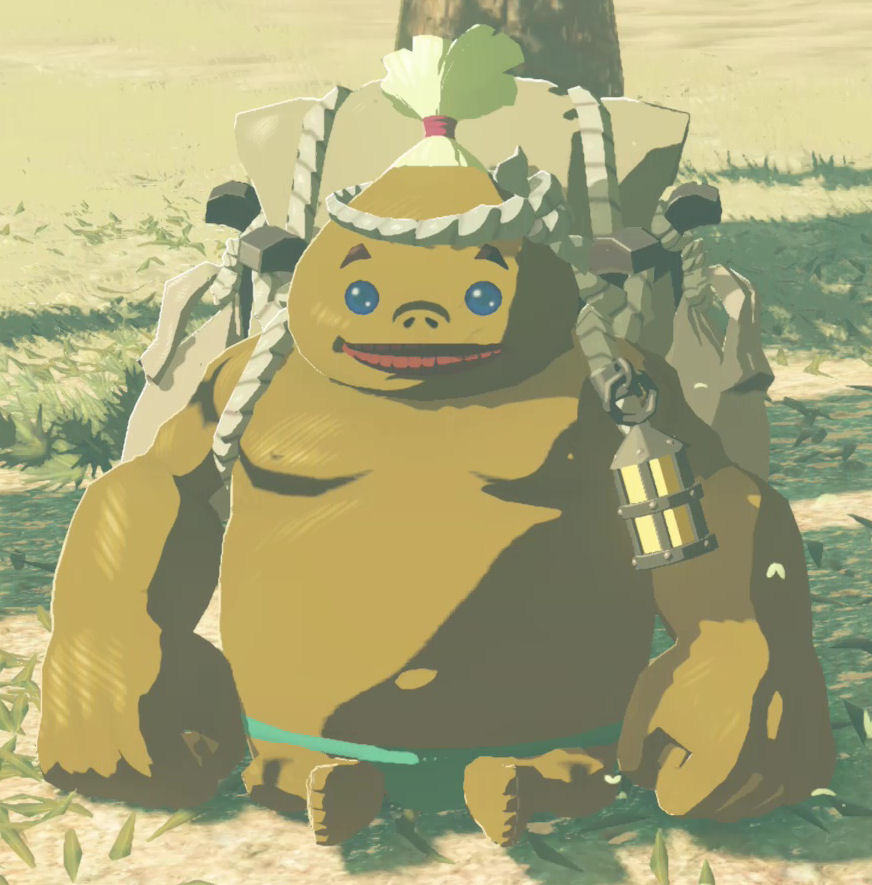
From the desert sandstone of the Gerudo Highlands to the volcanic rock of Death Mountain, Hyrule has some breathtaking geologic features. I’m Strade, your friendly travelling Goron Geologist and I will be your guide through this beautiful portion of Hyrule. Today, we are going to be exploring and solving the mysteries of a geological phenomenon–the Gisa Crater. The crater was formed long ago, along with many other craters early in the planet’s formation from asteroid impacts. This crater, the oldest known crater on the planet and the only one remaining from the formation of the planet, is receiving a lot of attention lately thanks to the recent, relentless impacts from the sky islands. Scientists are desperately trying to learn all they can about the impact these craters have on life and the planet so they can hope for the best and prepare for the worst. If only Hyrule castle floating in the sky was the only concern, we also have to worry about the potential fallout associated with the debris falling from the sky! So watch your step and grab your paraglider as we traverse the various craters of Hyrule, and help the Hylian scientists unravel mysteries and predict the future.
The Sky Islands: A Cause for Concern?
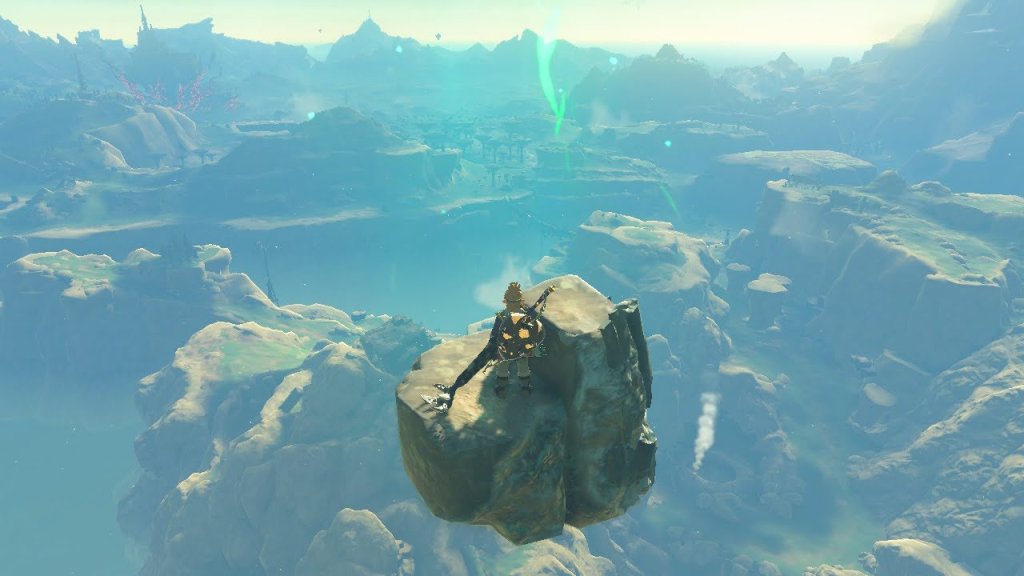
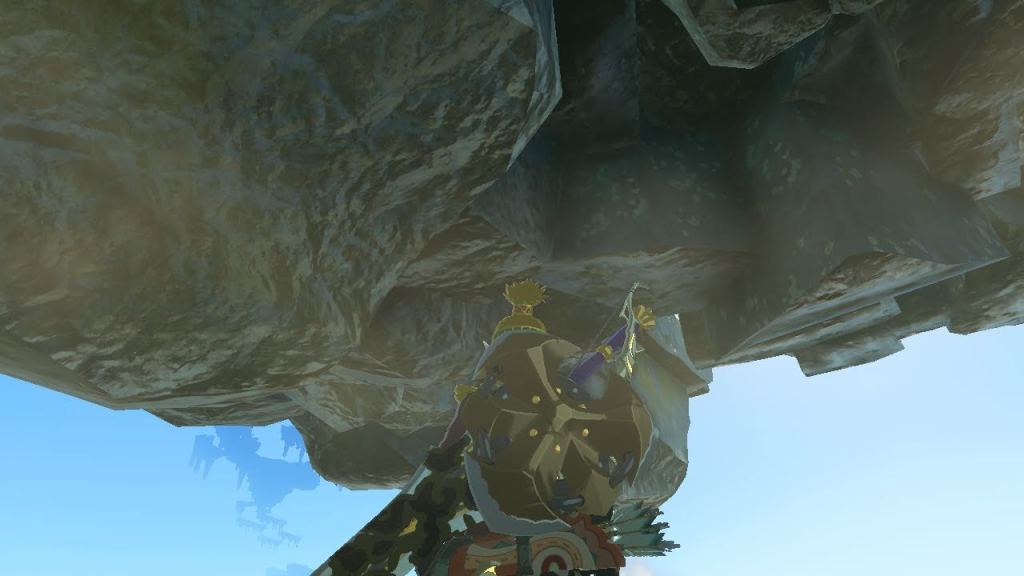
The appearance of the sky islands triggered the fall of extraterrestrial debris all across Hyrule. This sudden emergence of space material was cause for much concern, especially among the scientific community. Are the new impact craters and space debris going to alter the landscape and ecosystems of Hyrule to the detriment and harm of those who call Hyrule home?
You’re going to take on the role of a Hylian scientist. Choose a scientific debate below and analyze the evidence that follows. Then be ready to share what you learned and provide a solution to the scientific debate you chose.
1. The Great Crater Climate Shift
“Hylian climate scientists argue that the craters formed by falling Sky Islands will lead to significant shifts in local climate patterns, causing long-term desertification in some regions and increased rainfall in others.”
- Will impact craters significantly alter Hyrule’s climate, or will the changes be minor and temporary?
2. Space Rocks and the Mystery of Ancient Minerals
“Geologists in Hyrule have discovered that the rocks from Sky Islands contain rare minerals never seen before on the surface. Some claim this supports the theory that Hyrule’s oldest crust formed from celestial material.”
- Are these minerals truly extraterrestrial in origin, or are they just deeply buried Earth rocks resurfaced by the falling islands? Or is the answer a combination of both?
3. The Evolution of Impact-Resistant Plants
“A group of Hylian botanists believe that plants growing near impact sites are beginning to evolve unique traits, such as deeper roots and metal-resistant leaves, proving that craters are shaping plant evolution.”
- Is there enough evidence to support the idea that impact sites are driving plant evolution, or are these adaptations just natural variations of existing species?
Here’s What We Know
Grab your trusty stead because now you’ll be tracking down all the evidence necessary to answer one of the topics listed above. You may even want to bring a knight’s bow to pick off any bokoblins who have taken up residence in one of the craters. I even cooked you up a nice rock roast, my family’s specialty, to get you through the long journey to Gisa Crater. Now that you’re all set, let’s dive into the evidence!
Make a list of notes from the observations below that supports your answer to the prompt you chose above. Then, jump into the game itself and travel to some of these locations yourself to make further observations.
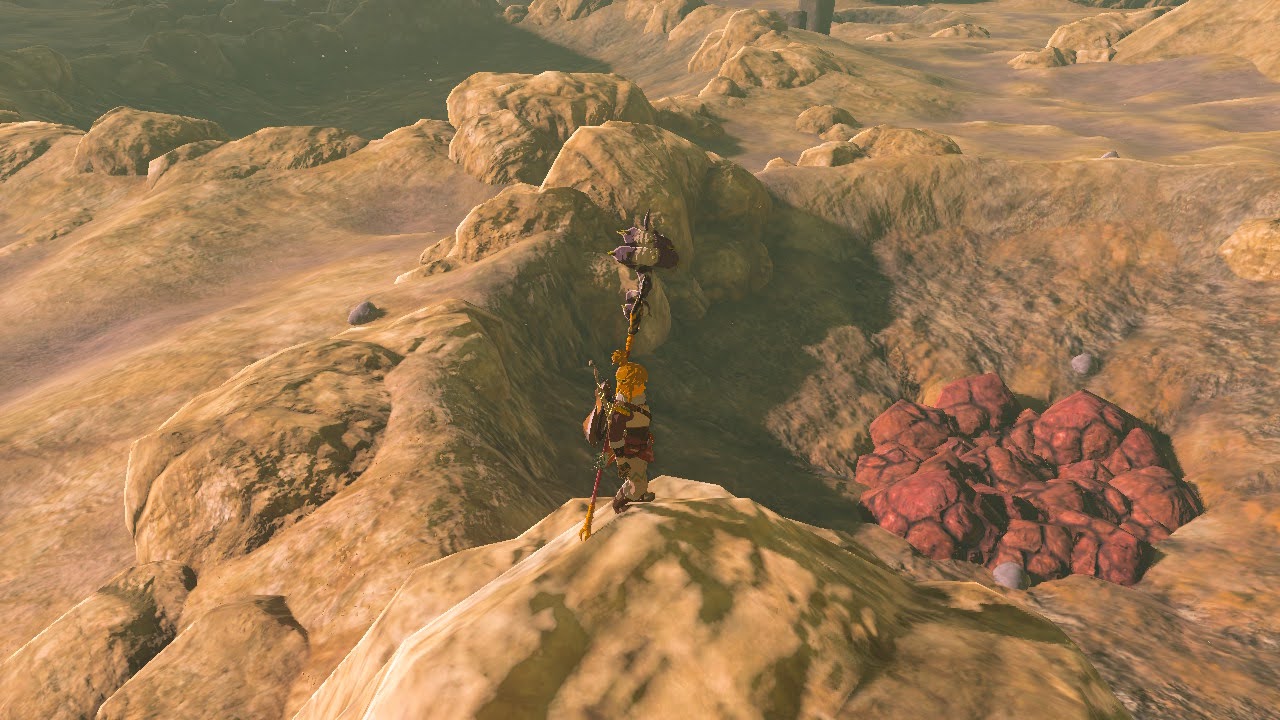
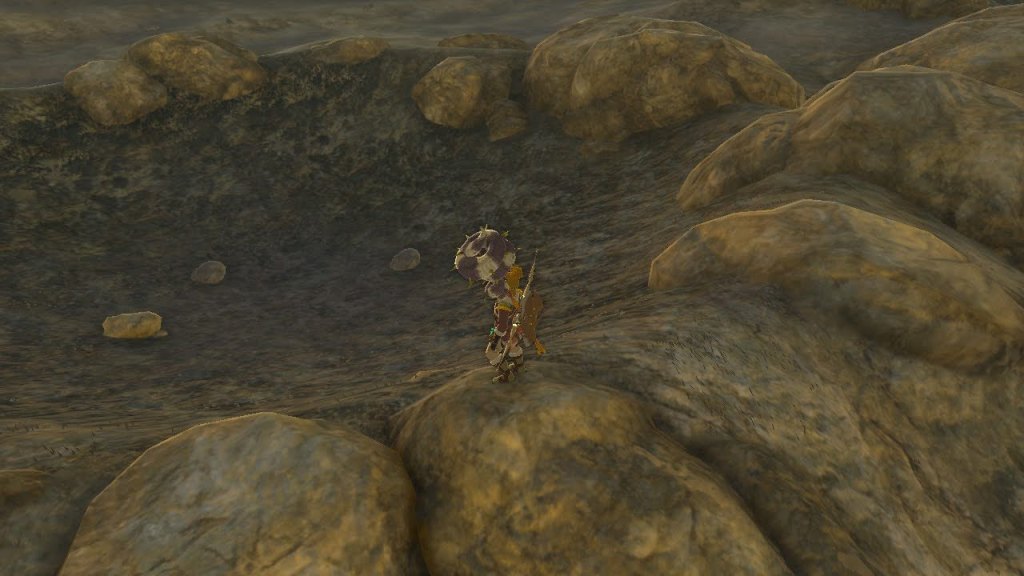
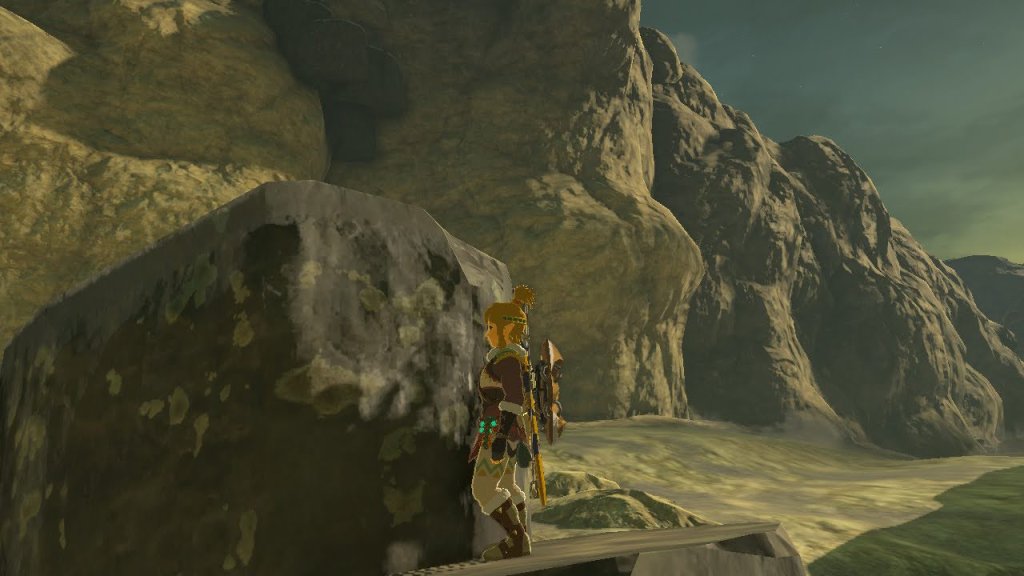
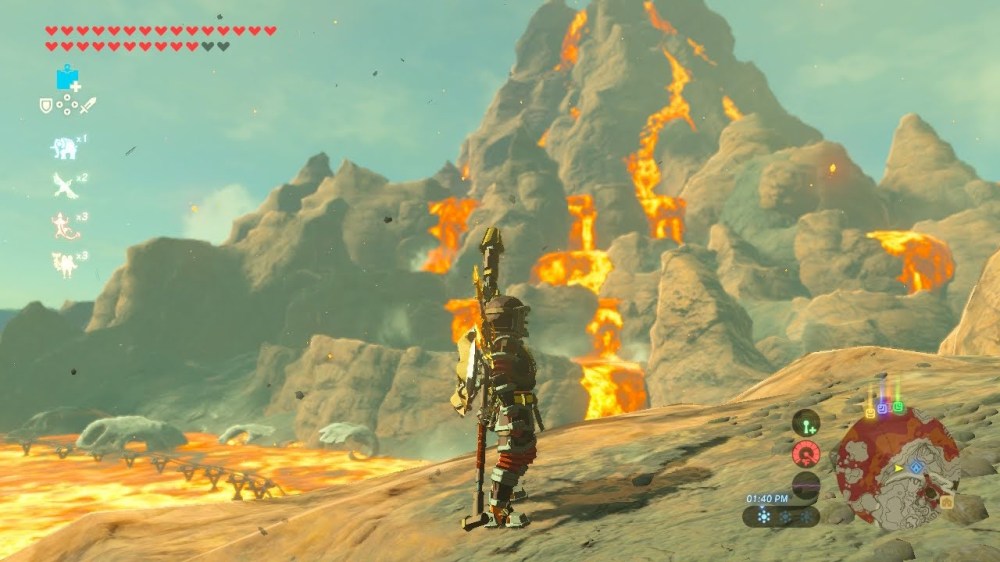
Hyrule’s surface shows evidence of extraterrestrial impacts over its history. Impacts bring unique space materials, which differ from Hyrule’s crust materials. Craters allow scientists to analyze Hyrule’s geologic time scale and history. Craters reveal the timing and effects of extraterrestrial collisions, helping us understand significant events like mass extinctions.
Geologists can use crater dating methods, like radiometric dating of surrounding rocks, to determine when impacts occurred, revealing Earth’s timeline and changes.
In game location: Gisa Crater: South of Cuho Mountain and West of Nero Hill.
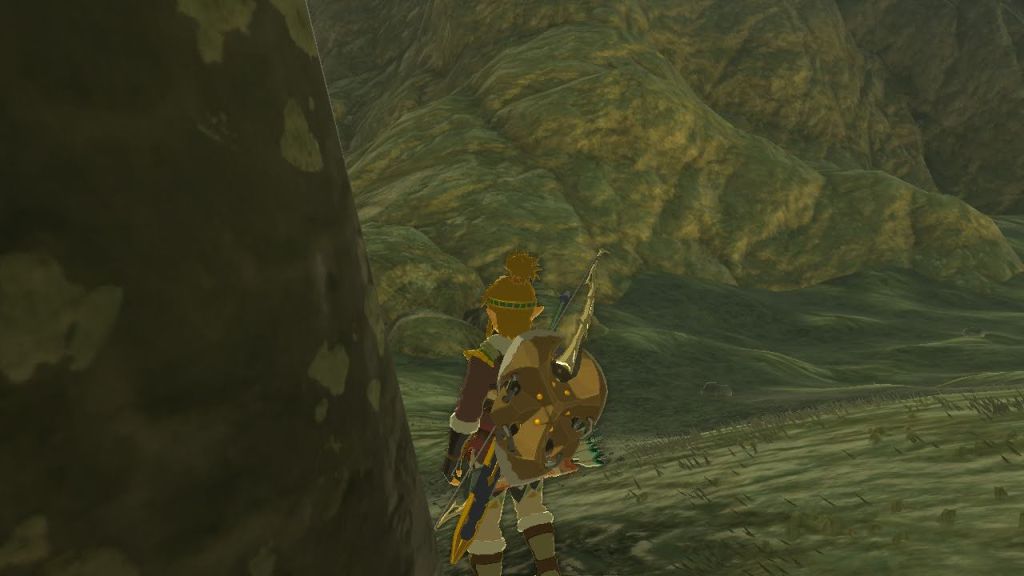
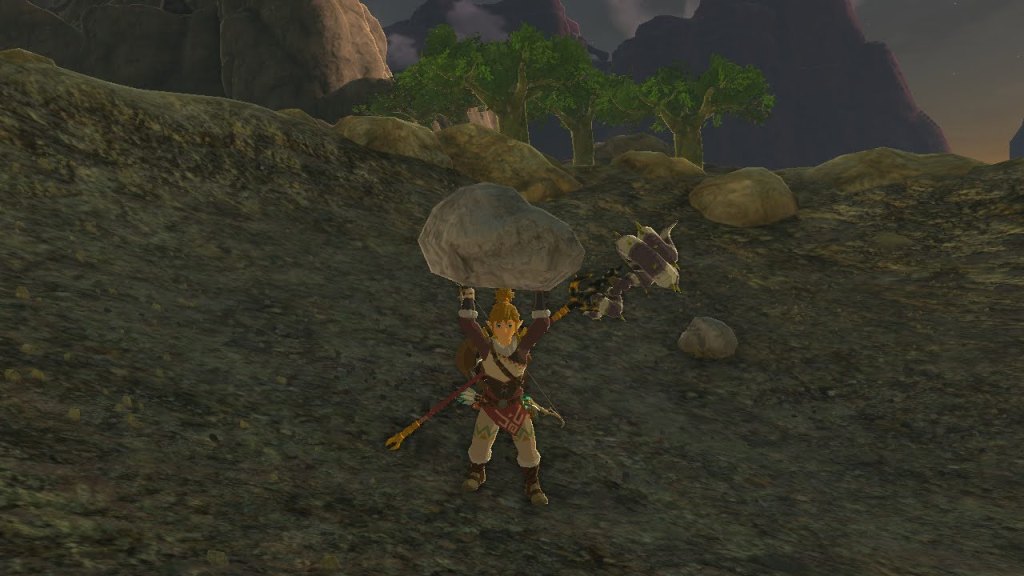
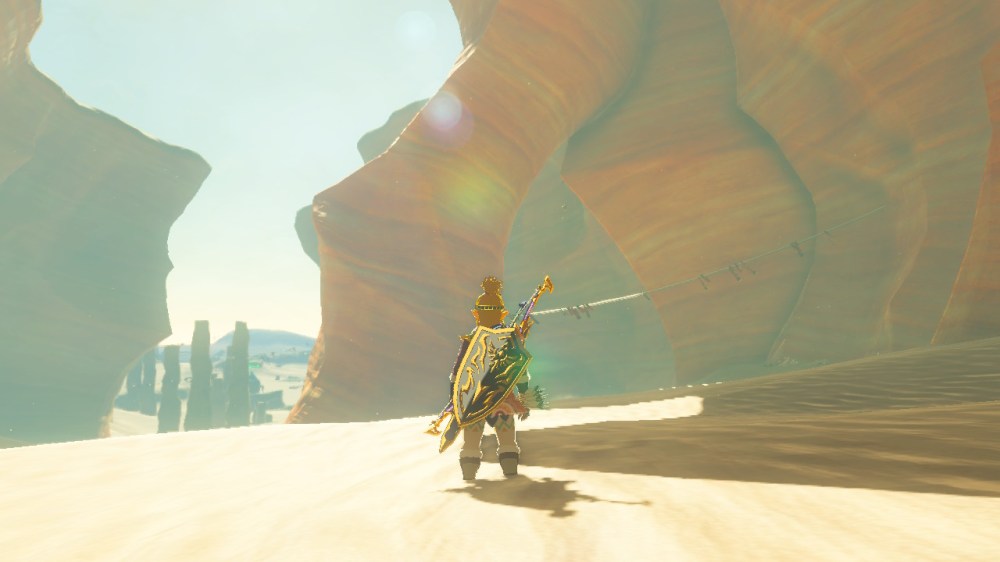
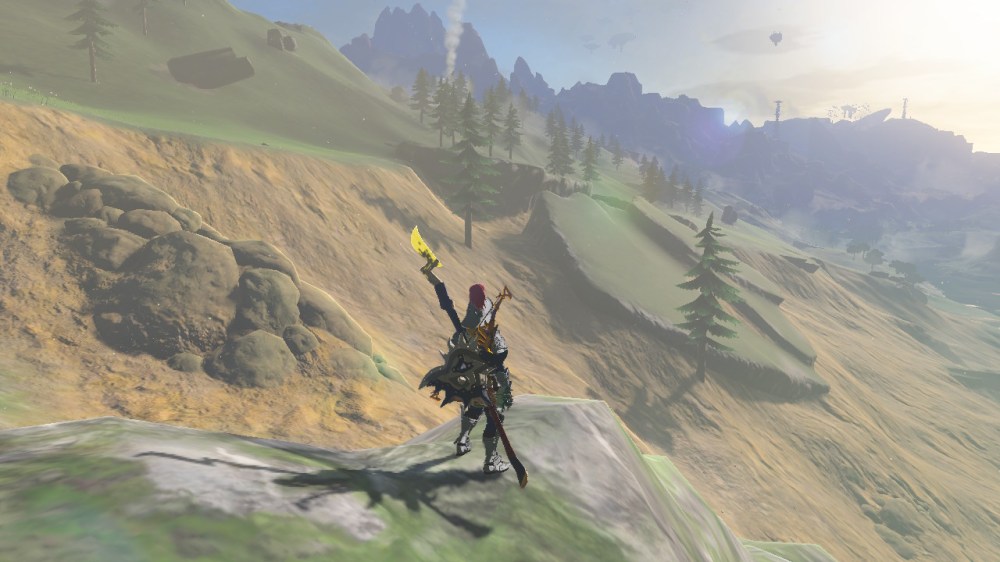
Hyrule’s oldest rocks provide clues to early planetary conditions and evolution. Tectonic activity recycles Hyrule’s crust, creating a layered geologic record. Sedimentary layers in rock formations reveal environmental and evolutionary changes over time. Analyzing impact materials provides insights into the building blocks of Hyrule and the solar system. Craters show how Hyrule’s surface evolves over time and can reveal very different rocks compared to younger rock found on Hyrule’s surface.
In game location: Location varies, though this picture us Gisa Crater again.
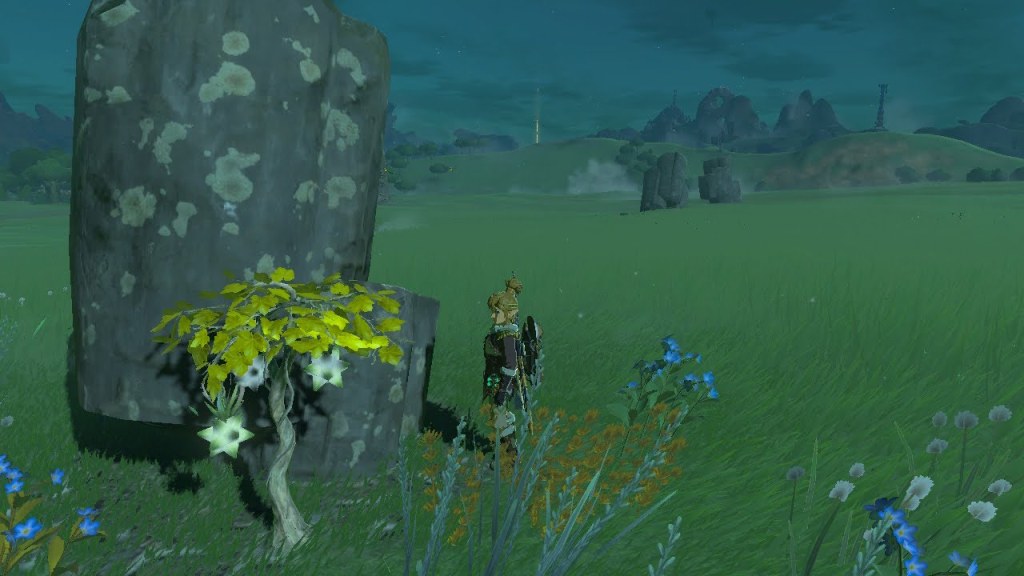
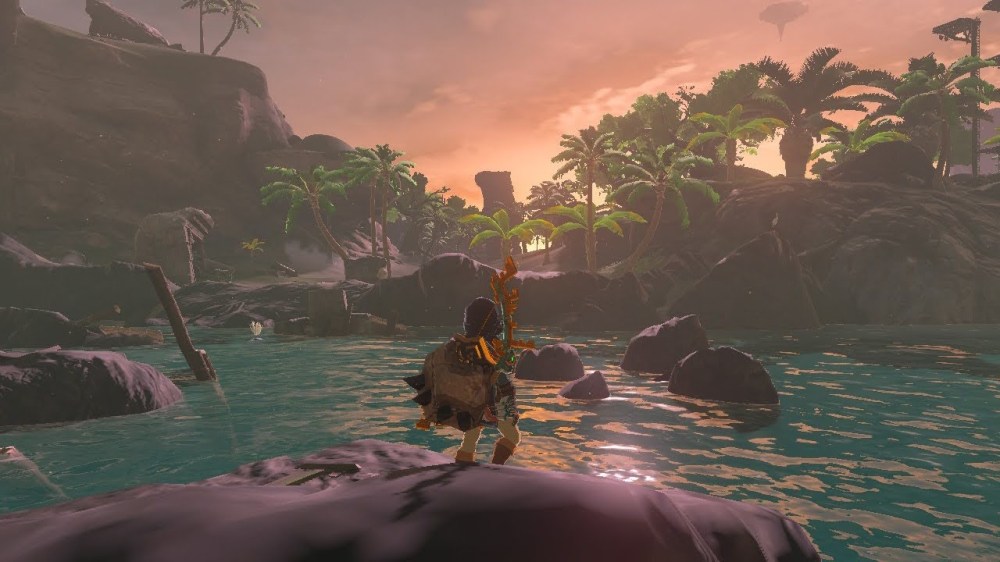
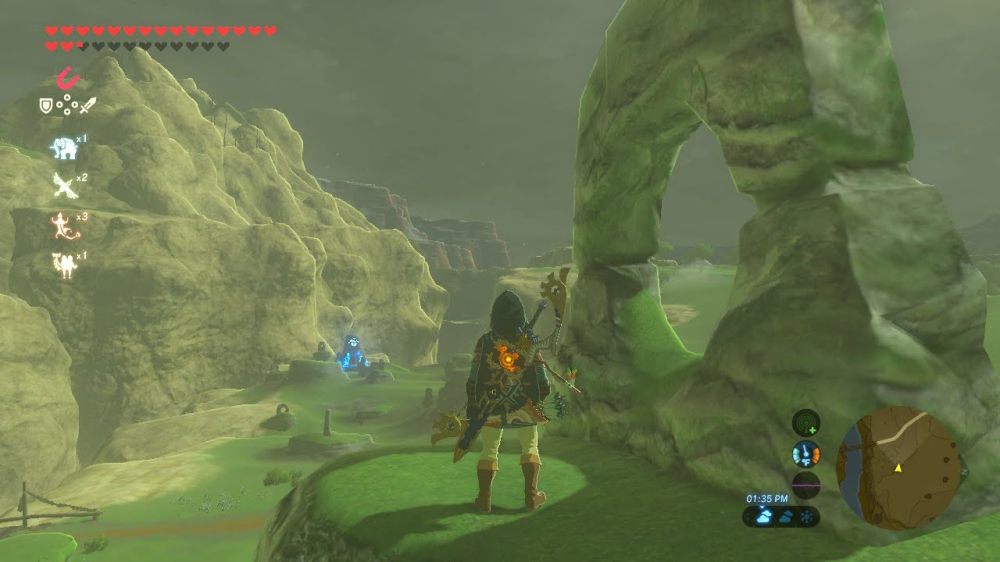
Extraterrestrial impacts can introduce nutrients that promote unique life adaptations. Impact sites may create habitats that allow specific types of organisms to thrive. Ecosystems around impact sites can evolve in response to chemical changes from space material. Impact events influence soil chemistry and ecosystems, offering clues about life’s adaptability to changing environments. The shock fruit pictured here is only found near space debris and impact sites.
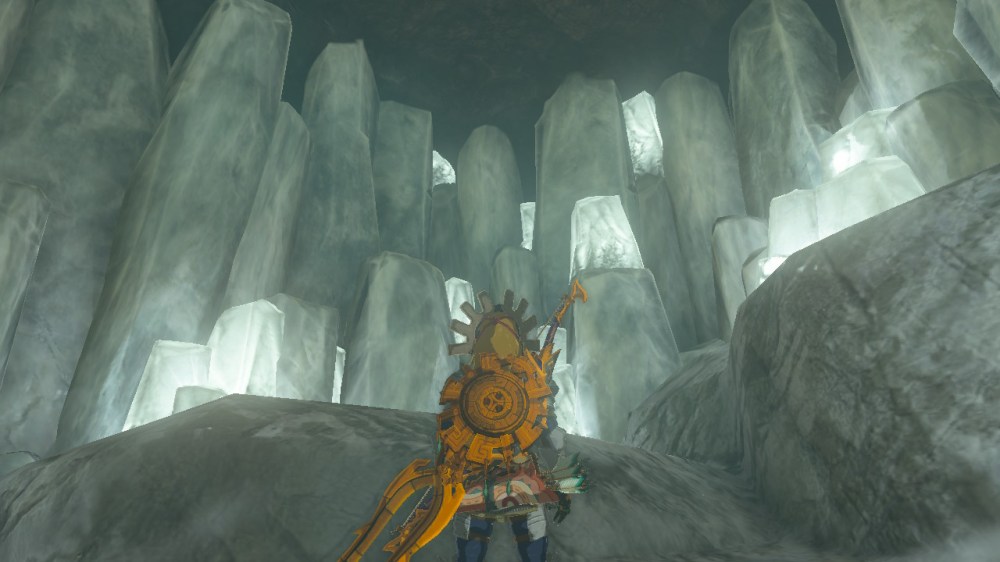
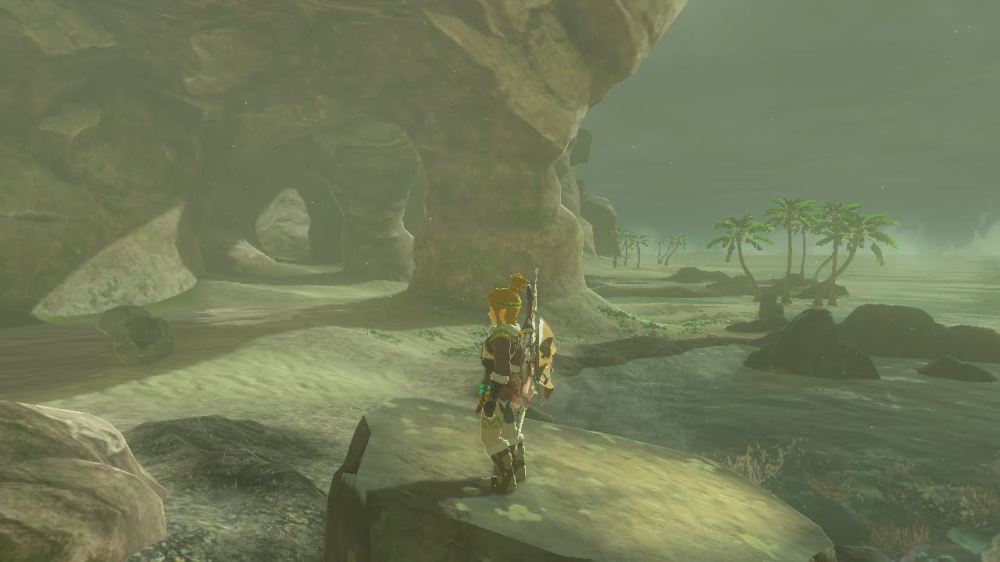
Meteorites provide clues about the solar system’s building blocks and can reveal information about early Earth. For example, some meteorites contain amino acids, hinting at the origin of life.
In game location: Location varies, many locations that contain space rocks or impact craters have evidence of adapted organisms.
The Science of Impact Craters in a Nutshell
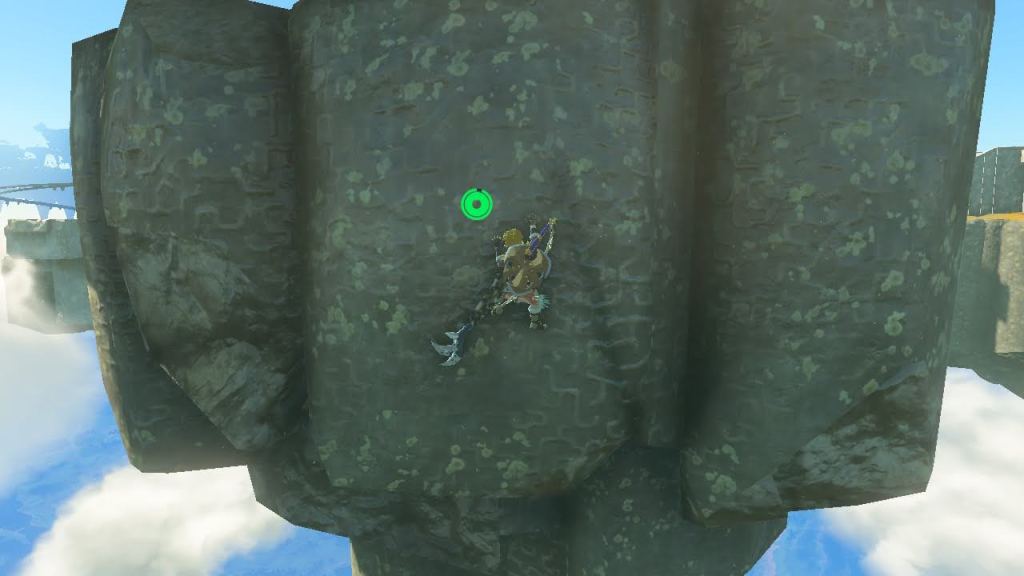
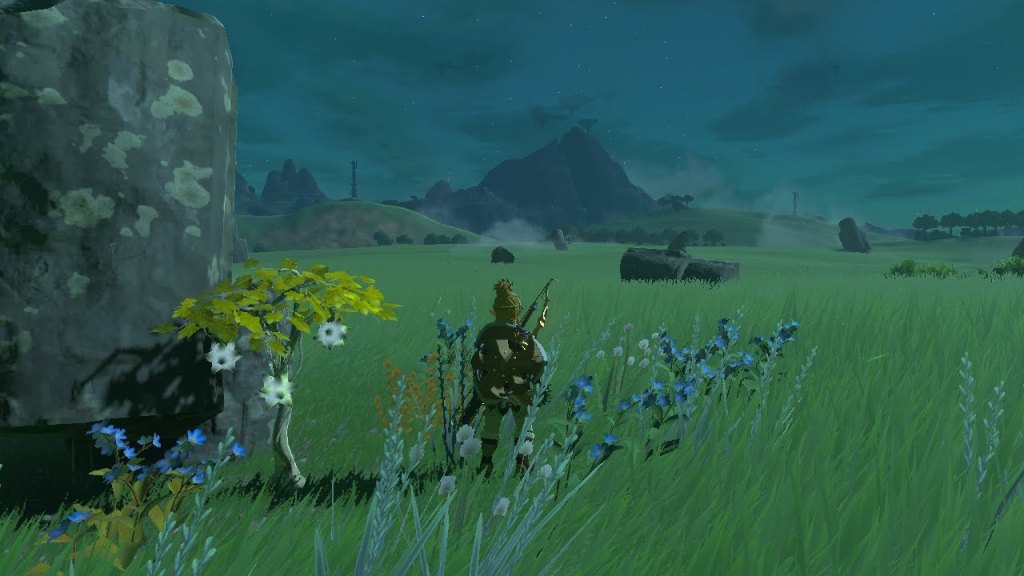
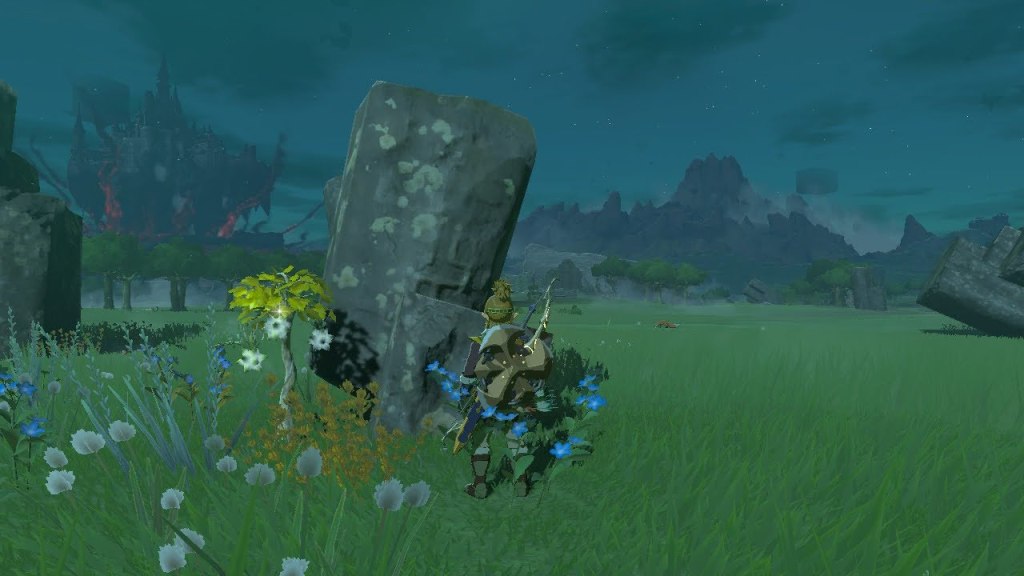
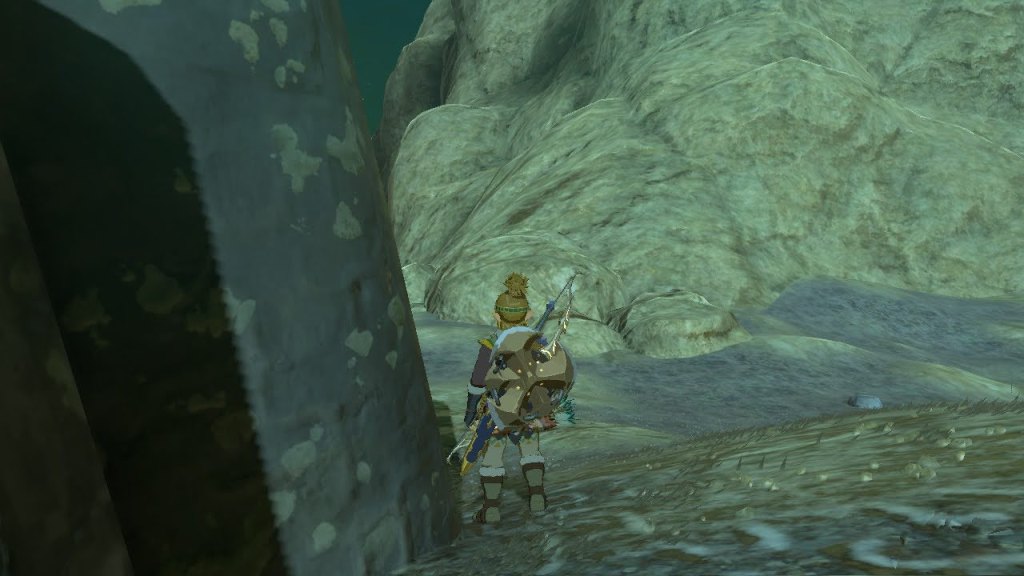
Other Picture Evidence:
Now It’s Your Turn
So, how did it go? Which scientific debate did you choose and how would you add to that debate? Can you construct a claim, along with supporting evidence, that answers your chosen scientific debate? Is there still more research that needs to be done to come to a realistic conclusion?
Now, pull on your soldier’s greaves and get out there to conduct your own scientific study! Follow the directions below to compete the Zelda Geology Tour Assessment on impact craters and the history of the Earth.
Impact Crater Investigation Project
Objective:
Students will locate and analyze craters in Zelda: Breath of the Wild or Tears of the Kingdom, comparing their characteristics to real-world impact craters to understand how extraterrestrial collisions shape planetary surfaces.
Instructions:
- Locate a Crater:
- Explore Hyrule to find at least two craters caused by falling sky islands or meteors.
- Take a screenshot or sketch each crater, noting its size, depth, and surrounding terrain.
- Crater Analysis:
- Observe the landscape inside and around the crater. Answer:
- Are there noticeable changes in the ground color or texture?
- Are rocks in the crater different from the surrounding area?
- Does the crater show signs of erosion or weathering?
- Compare these findings to real-world impact craters (e.g., Barringer Crater in Arizona or Chicxulub Crater in Mexico).
- Observe the landscape inside and around the crater. Answer:
- Scientific Comparison:
- Research a real-world impact crater and compare it to one in the game. Include:
- The size of both craters
- Differences in materials found inside and outside the crater
- How each crater has changed over time due to erosion and weathering
- Research a real-world impact crater and compare it to one in the game. Include:
- Observe the Ecosystem Changes:
- Record the types of plants and creatures near the impact site. Answer:
- Are plants growing differently near the impact zone?
- Are there any unique plant species that seem to thrive there?
- Do animals avoid or gather near the site?
- Compare this to real-world areas affected by space debris (e.g., the Tunguska Event or Chicxulub Crater’s long-term effects on plant life).
- Record the types of plants and creatures near the impact site. Answer:
- Final Report:
- Write a 1-2 page report or create a short video presentation including:
- Screenshots/sketches of your in-game craters
- Observations and comparisons to real-world craters
- A conclusion explaining how impact craters provide insight into Earth’s geological history
- Write a 1-2 page report or create a short video presentation including:
Crater Science in Real Life-More Clues to Help you With Your Project
- Real impact craters, like the Chicxulub Crater, can reveal past catastrophic events that reshaped the planet. Some, like Chicxulub, are connected to mass extinctions, illustrating the impact of space events on Earth’s history.
- Ancient rocks, like Acasta Gneiss, contain minerals formed under different atmospheric and environmental conditions, giving clues about early Earth’s formation and the crust’s development.
- Sedimentary layers in formations like the Grand Canyon reveal patterns in past climates, the presence of ancient seas, and even fossils, which help scientists reconstruct Earth’s history.
- Some plants, like mosses and lichens in impact zones, thrive in soils with high metal content. These adaptations reveal how life can evolve to fit specific environmental conditions.
- The Kaali Crater in Estonia shows how ecosystems can adapt to soil changes from space material, evolving to survive in chemically altered soil.
Thank you for reading and stay tuned for the next installment of Hyrule Geology Tours. As always, I would love to hear from you! How did you like the read? What did you learn from it that surprised you? What ideas or suggestions do you have for my next post? I would love your feedback! Also, if you happen to have the game The Legend of Zelda: Breath of the Wild or The Legend of Zelda: Tears of the Kingdom at home, I encourage you to go find these geologic features yourself. The names of all geologic features in this post are actual names from the game so go on the virtual tour for yourself and let me know how it goes!


 Life through green tinted glasses